

Ben Stokes' Post-Test Handshake Protocol Sparks Debate in Manchester Cricket Circles
The sequence unfolded after England captain Ben Stokes' offer of an early draw was declined, leading to a visible disagreement and prompting questions about evolving post-match decorum.
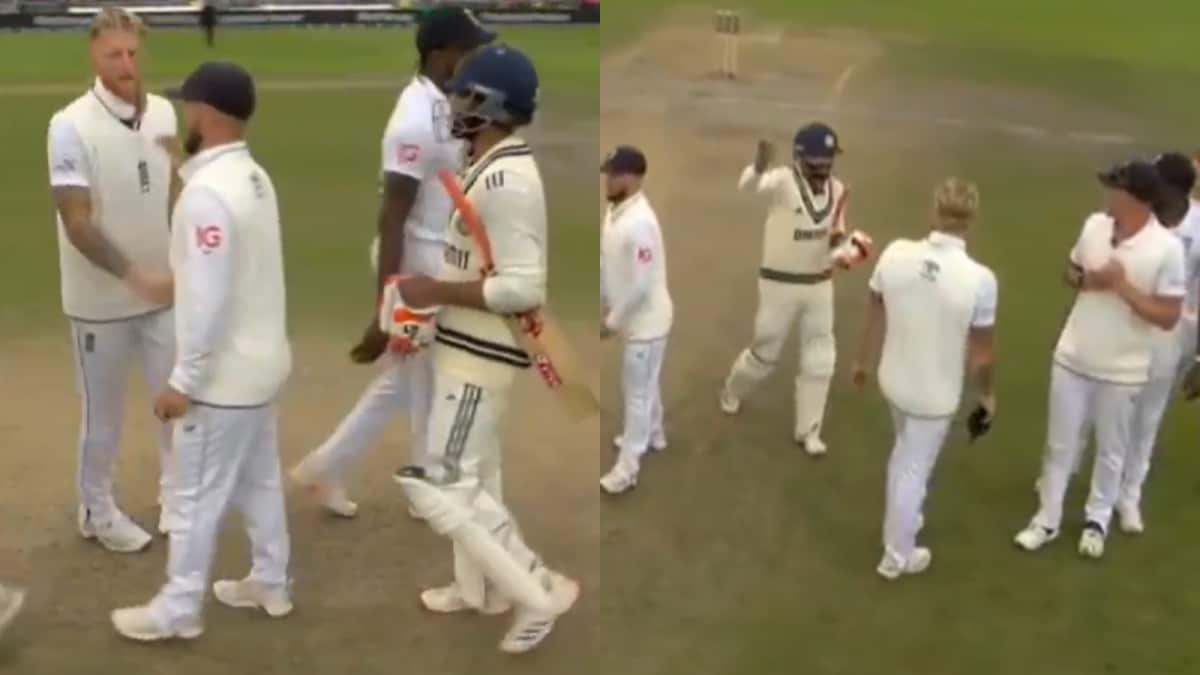
Following the culmination of the fourth Test match between England and India at Old Trafford, Manchester, a widely circulated video depicted England captain Ben Stokes deliberately not engaging in traditional post-match handshakes with Indian players Ravindra Jadeja and Washington Sundar. The incident occurred after Stokes had reportedly proposed an early draw to the Indian side, a suggestion initially declined by the visitors, leading to a brief, heated exchange.
The video footage clearly shows Stokes engaging in a verbal disagreement with Jadeja before ultimately walking away without offering his hand, while other English teammates continued with the customary post-match handshakes with their Indian counterparts. This deviation from established post-match etiquette, particularly after a fiercely contested Test series, immediately drew attention from commentators and fans alike.
Stokes later provided clarity on his actions, explaining that his primary motivation was to mitigate risk to his frontline bowlers, citing the short turnaround time before their next fixture. He acknowledged the formidable partnership between Ravindra Jadeja and Washington Sundar during the match, which significantly influenced the game's dynamics. This perspective highlights the strategic pressures placed on modern cricket captains, balancing competitive outcomes with player welfare and the demanding international schedule, especially during a packed 2025 calendar year which includes multiple bilateral series and ICC tournaments.
Cricket analysts and former players have weighed in, emphasizing the symbolic importance of the post-match handshake as a hallmark of sportsmanship and mutual respect, deeply embedded in the "Spirit of Cricket." While the intensity of Test match cricket, particularly in high-stakes encounters like the India-England rivalry, can lead to heightened emotions, established protocols are generally upheld. This incident prompts broader discussion within the International Cricket Council (ICC) and national boards about clarifying post-match conduct guidelines, especially concerning player interactions and the delicate balance between competitive zeal and traditional decorum in an increasingly scrutinized digital age.
Industry observers predict that this event could subtly influence future interactions between teams and potentially spur a review of player-captain responsibilities in high-pressure scenarios. As cricket continues to evolve, maintaining the integrity of its core values, while adapting to the physical demands on elite athletes, remains a paramount challenge for governing bodies. The incident serves as a pertinent reminder that even seemingly minor deviations from tradition can spark significant global discussion in the ever-watchful eye of the sporting world.
As the cricketing world reflects on the incident, the discourse extends beyond the immediate moment, prompting deeper consideration of player welfare, competitive integrity, and the enduring customs that define the global sport.