

Etihad Rail's Transformative Vision: Unifying the UAE Through a National Economic Artery
It is a significant step towards unifying the nation, supporting sustainable growth, and enhancing its global economic standing through advanced infrastructure.
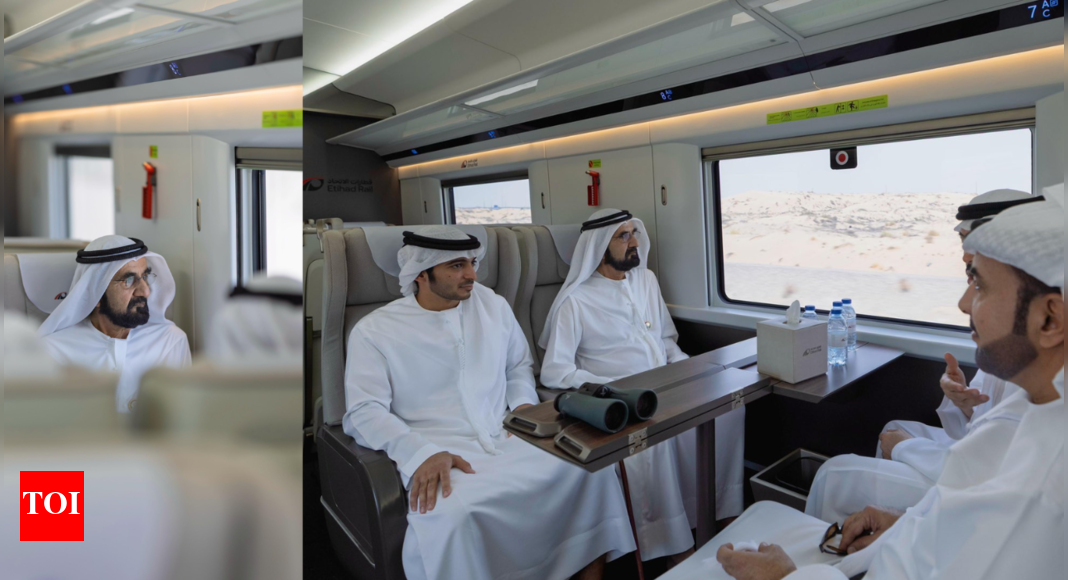
Sheikh Mohammed bin Rashid Al Maktoum's recent journey on the Etihad Rail from Dubai to Fujairah underscores a pivotal moment in the development of the UAE's national railway network, signalling the nation's commitment to a future defined by advanced connectivity and sustainable growth.
This ambitious 1,200-kilometre project, a cornerstone of the UAE's strategic infrastructure, is more than just a transportation system; it represents a fundamental shift in how the Emirates interact, trade, and evolve. With passenger operations slated for 2026, the railway is poised to fundamentally reshape the nation's logistics and commuter landscape, offering a high-speed alternative to conventional travel modes. The AED 40 billion investment reflects the substantial national commitment to this overarching vision.
The economic implications of Etihad Rail extend far beyond domestic convenience. By connecting major industrial hubs, ports, and urban centers from Ghuweifat on the Saudi border to Fujairah on the eastern coast, the network will serve as a critical enabler for trade facilitation and supply chain efficiencies across the GCC. This integration is expected to reduce logistics costs for businesses, enhance regional competitiveness, and solidify the UAE's position as a vital nexus in global commerce, attracting further foreign direct investment.
Beyond its economic prowess, the Etihad Rail project addresses pressing societal and environmental imperatives. The shift of freight and an anticipated 36.5 million passengers annually by 2030 from roads to rail will significantly alleviate traffic congestion and drastically reduce carbon emissions, aligning with the UAE's national sustainability targets. This promotes a higher quality of life for residents through reduced travel times and increased access to diverse opportunities across all seven emirates, fostering a stronger sense of national cohesion.
This monumental undertaking offers a compelling narrative of forward-thinking national development, serving as a testament to the UAE's dedication to integrated planning and diversification beyond its traditional economic foundations. It signifies a strategic embrace of modern, eco-efficient infrastructure as a key driver for future prosperity and societal well-being, positioning the nation as a leader in regional and global connectivity frameworks.
Etihad Rail is not merely constructing tracks; it is laying the foundation for a more interconnected, sustainable, and economically resilient United Arab Emirates, symbolizing a new era of national integration and global strategic positioning.