
India Fortifies Global Identity: E-Passports and Citizen-Led Governance Redefine National Presence
As the nation approaches its 78th Independence Day, India is witnessing a parallel evolution in its global identity and internal governance, marked by advancements in travel documentation and a significant push for participatory democracy.
As the nation approaches its 78th Independence Day, India is witnessing a parallel evolution in its global identity and internal governance, marked by advancements in travel documentation and a significant push for participatory democracy.
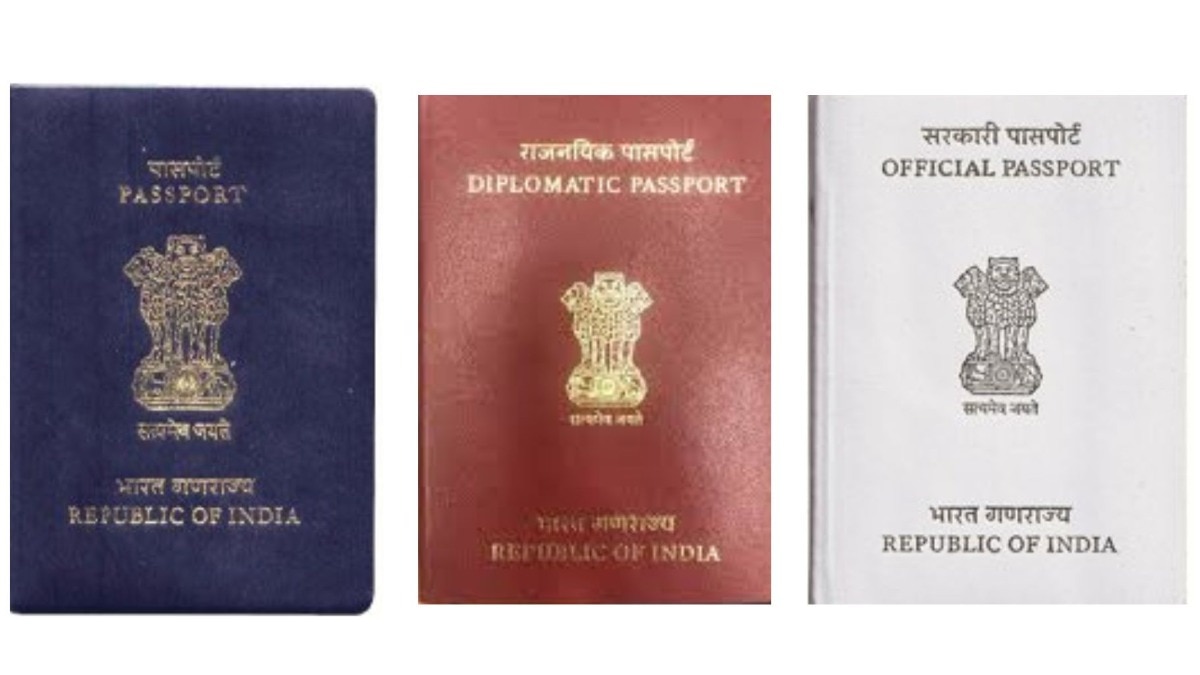
The bedrock of India's international outreach is underpinned by its sophisticated passport system, which delineates citizen roles through distinct travel documents. Ordinary citizens, embarking on personal or professional journeys, carry the widely recognized blue passport, serving as their primary identification abroad. For government officials on state duties, a specialized white passport signifies their public service, streamlining international protocols. At the apex of this system, the diplomatic red passport grants considerable international privileges to those representing India's foreign policy interests, offering expanded visa capacities for extensive travel. This tiered structure, evolving from post-independence standardization efforts, underscores the nuanced representation of Indian nationals on the global stage, aligning with international conventions on travel documents.
A significant technological leap in this domain is the introduction of e-passports, equipped with an embedded electronic chip. This innovation, adhering to International Civil Aviation Organization (ICAO) standards, encrypts biometric data and vital personal information, substantially bolstering security against counterfeiting and identity theft. "The transition to e-passports is more than an upgrade; it’s a commitment to robust digital security and efficient border management, crucial for a nation with burgeoning international travel," commented Dr. Alok Kumar, a former Ministry of External Affairs technocrat. This modernization reflects India's broader embrace of digital infrastructure, aiming to enhance the travel experience for millions of its citizens while strengthening national security protocols at points of entry and exit.
Concurrently, the Indian government is actively cultivating a culture of participatory governance, exemplified by Prime Minister Narendra Modi's invitation for public input ahead of his upcoming Independence Day address. This marks the Prime Minister's twelfth consecutive speech from the historic Red Fort, an annual tradition commemorating India's sovereignty. The public's suggestions, solicited through accessible digital platforms like MyGov and the NaMo App, reflect a strategic move towards incorporating diverse citizen perspectives into the national narrative. This initiative builds upon a decade of efforts to democratize policy discourse, fostering a direct channel between the populace and leadership on crucial national issues, ranging from economic reforms to social welfare programs. Political analyst Ms. Priya Sharma noted, "This direct engagement isn't merely symbolic; it’s an evolving mechanism for real-time feedback, potentially shaping the focus and key announcements of the Independence Day speech, making governance more responsive."
The convergence of these two developments—a robust, technologically advanced identity system for global interaction and an inclusive, digital framework for domestic policy input—highlights India's dual ambition: to solidify its position as a responsible global power while deepening democratic participation at home. The future trajectory suggests further integration of digital identity solutions with public services, enhancing both bureaucratic efficiency and citizen convenience. The ongoing dialogue between the government and its citizens through digital platforms is poised to become a defining feature of India's governance model, mirroring its push for digital infrastructure in areas like financial inclusion and public service delivery.
As India steps forward on the global stage, its commitment to secure digital identities and responsive governance frameworks will continue to shape its domestic agenda and international standing, charting a course for a more connected and participatory future.