

Hotstar Jio Docuseries Unpacks Culiacán's Fentanyl Battle and Cartel Power
The series chronicles the 2019 incident where Ovidio Guzmán's brief detention led to cartel-led urban warfare, revealing the profound impact of Los Chapitos' fentanyl operations and the intricate challenges facing US-Mexico drug enforcement cooperation.
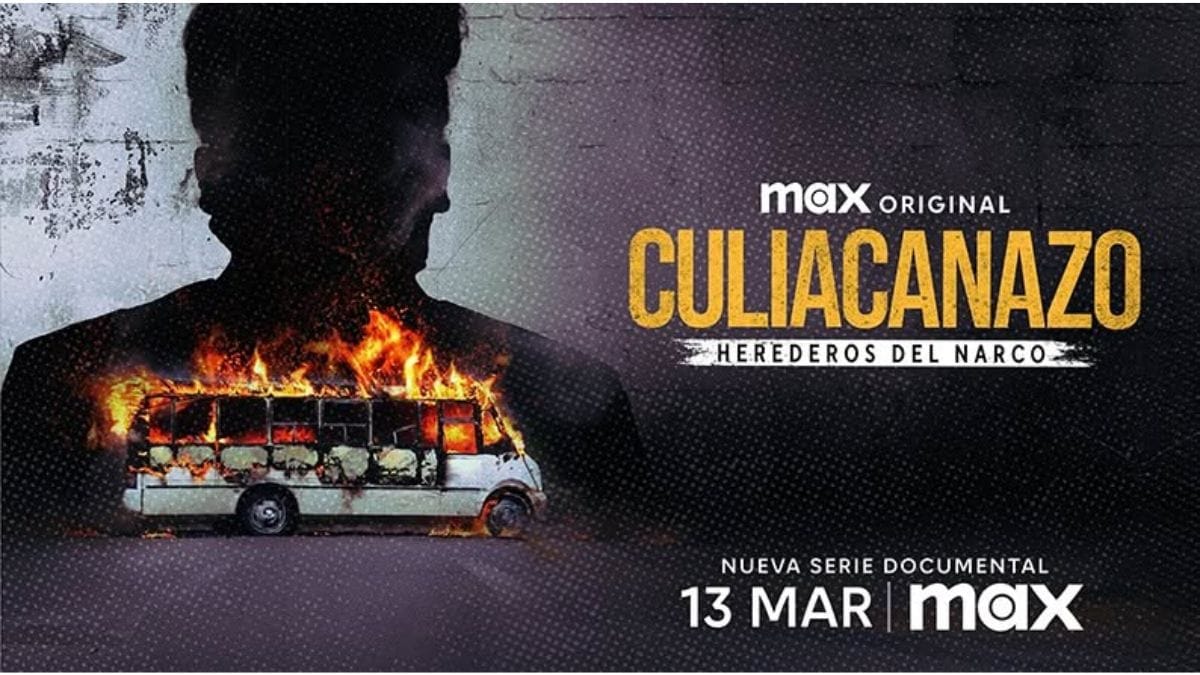
The four-part docuseries "Battle of Culiacán: Heirs of the Cartel," now streaming on JioHotstar, offers a stark, unflinching look at the failed 2019 attempt to arrest Ovidio Guzmán López, son of Joaquín "El Chapo" Guzmán, and the subsequent urban warfare that exposed the profound influence of organized crime in Mexico.
On October 17, 2019, Culiacán, Sinaloa, transformed into a warzone after Mexican security forces briefly detained Ovidio Guzmán, a key figure in the Sinaloa Cartel's "Los Chapitos" faction. Cartel gunmen, wielding heavy weaponry including .50 caliber rifles, rocket-propelled grenades (RPGs), 40 mm grenades, and heavy machine guns, launched a sophisticated counterattack, besieging the city and forcing the government to release Guzmán to prevent further bloodshed and civilian casualties.
This incident underscored the alarming operational capacity of Los Chapitos, who have increasingly dominated global fentanyl trafficking. Responsible for manufacturing and distributing fentanyl-laced counterfeit pills, the faction's illicit operations yield immense profits. While a kilogram of fentanyl can fetch over $1 million on the retail drug market, making it the most profitable drug trafficked by Mexican cartels, it costs approximately $3,300 to produce. The impact has been devastating, contributing to 73,838 overdose deaths from synthetic drugs in the U.S. in 2022.
Despite increased U.S.-Mexico collaboration in the war on drugs, efforts remain challenged by deep-seated corruption within Mexican institutions and persistent sovereignty concerns. Historically, cooperation has been fraught with difficulties, as exemplified by events like the 1985 murder of DEA agent Enrique "Kiki" Camarena. While Ovidio Guzmán was successfully re-arrested in January 2023 and subsequently extradited to the U.S. on September 15, 2023, he pleaded guilty to federal drug charges in Chicago on July 11, 2025. The underlying issues of cartel power and their pervasive societal impact persist.
The violence perpetrated by cartels like the Sinaloa Cartel has profound societal consequences, extending beyond direct conflict to include widespread fear, kidnappings, and economic disruption. In cities like Culiacán, businesses shutter, schools close, and daily life is dictated by the constant threat of cartel infighting, such as the September 9, 2024, clashes between Los Chapitos and La Mayiza factions. Poverty also plays a critical role, as cartels exploit economic vulnerabilities to recruit new members into their ranks.
Addressing this intricate challenge requires a multifaceted approach that transcends traditional law enforcement tactics. Experts recommend strengthening joint investigative initiatives, dismantling corruption networks, and enhancing intelligence sharing between U.S. and Mexican agencies. Crucially, sustainable solutions must also address the socio-economic disparities that fuel cartel recruitment, investing in community development and legitimate economic opportunities to provide alternatives to illicit activities.
The "Battle of Culiacán" docuseries serves as a timely reminder of the enduring strength of transnational criminal organizations and the complex, evolving nature of the drug war. It highlights the critical need for coordinated international strategies that combine robust enforcement with comprehensive societal interventions to tackle the root causes of cartel dominance and protect both national security and public health.