

The Fentanyl Frontier: Culiacán's Cartel Clash and Global Drug War Implications
This four-part docuseries illuminates the 2019 failed Ovidio Guzmán capture, revealing the immense power of the Sinaloa Cartel, their deep entrenchment, and the complex, often violent, realities of U.S.-Mexico anti-narcotics efforts against fentanyl trafficking.
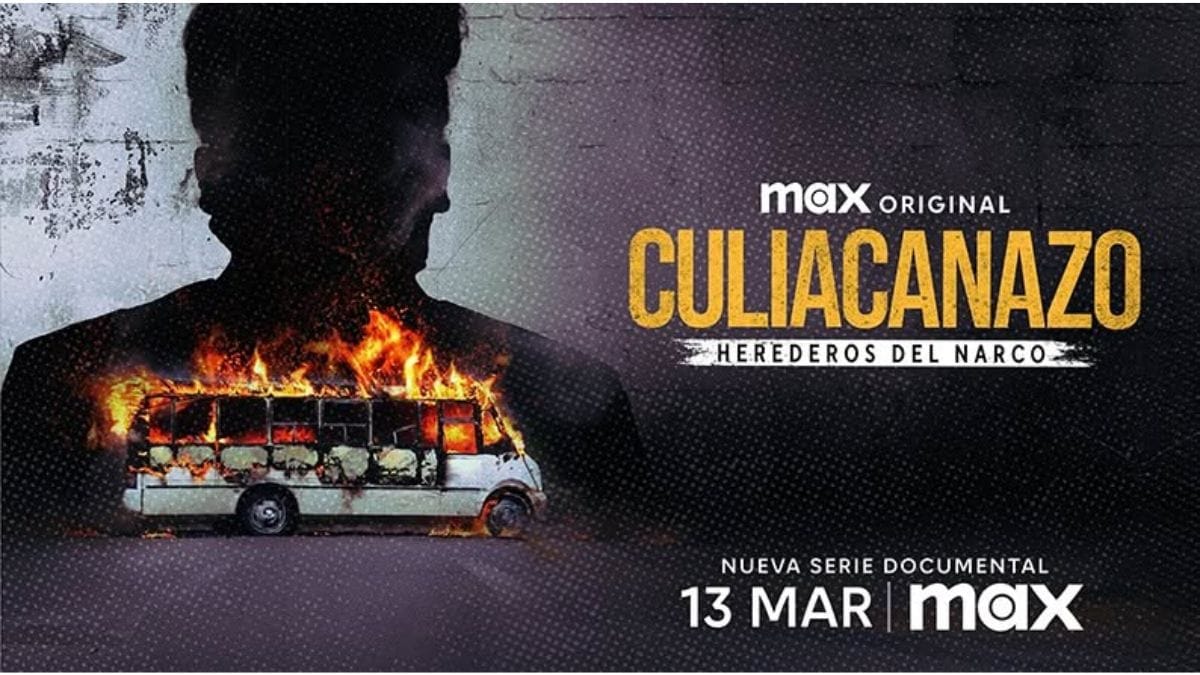
The unveiling of 'Battle of Culiacán: Heirs of the Cartel' on Netflix offers a stark lens into the 2019 Culiacán incident, a pivotal moment that underscored the profound challenges in dismantling entrenched organized crime networks in Mexico and the complex dance of international drug enforcement.
The four-part Mexican docuseries, directed by Carlos E. Perez and written by José Luis Matamoros, meticulously dissects the chaotic events of October 17, 2019, when Mexican authorities attempted to apprehend Ovidio Guzmán López, son of the notorious Joaquín "El Chapo" Guzmán. This operation, often termed the "Culiacanazo," devolved into a city-wide war as the Sinaloa Cartel, particularly the faction led by "Los Chapitos," unleashed an unprecedented wave of violence, effectively overpowering state forces and compelling Guzmán's release. This extraordinary display of paramilitary strength illustrated the cartel's deep territorial control and capacity to challenge state sovereignty directly.
The strategic failure of the 2019 operation was not merely a tactical misstep but a stark demonstration of how deeply criminal enterprises like the Sinaloa Cartel have woven themselves into the socio-economic fabric of regions like Sinaloa. Their ability to mobilize armed civilians, coupled with an intimate knowledge of the urban landscape, highlights a sophisticated, almost corporate, structure that extends beyond traditional criminal gangs. This incident reverberated globally, forcing a reevaluation of anti-narcotics strategies and revealing the fragile equilibrium between state authority and cartel power in key drug trafficking corridors.
Central to the evolving narrative of cartel influence is the proliferation of fentanyl. As showcased in the docuseries, Ovidio Guzmán and the Los Chapitos faction are identified as key players in the global fentanyl trade, a synthetic opioid far more potent and lethal than heroin, driving a severe public health crisis in North America. This shift from traditional drug commodities to highly profitable and easily manufactured synthetics has amplified the stakes, intensifying U.S.-Mexico collaboration efforts while simultaneously exacerbating the operational complexities for law enforcement agencies on both sides of the border.
Experts in transnational crime and security have frequently pointed to the Culiacán incident as a watershed moment, suggesting that purely kinetic approaches to cartel leaders are insufficient without addressing the underlying economic disenfranchisement and pervasive corruption that allow such organizations to flourish. The events of 2019 underscore the urgent need for a multi-faceted strategy that combines intelligence-driven law enforcement with robust social programs and systematic efforts to dismantle the financial and political networks enabling cartel operations. The docuseries serves as a critical historical document, providing unprecedented access to real footage and firsthand accounts that illuminate the terrifying realities of cartel warfare and its profound societal ramifications.
As 'Battle of Culiacán: Heirs of the Cartel' becomes accessible to a broader audience, its insights into the persistent challenges of organized crime, the intricate dynamics of cross-border enforcement, and the devastating impact of the fentanyl crisis offer crucial context for understanding ongoing geopolitical struggles and the imperative for adaptable, comprehensive solutions to an evolving global threat.