

Bumrah's Knee Injury Rekindles Workload Debate for India's Pace Ace
His precautionary withdrawal highlights the critical challenge of balancing peak performance with career longevity for multi-format fast bowlers, necessitating a strategic overhaul of India's pace management and talent development for sustainable success.
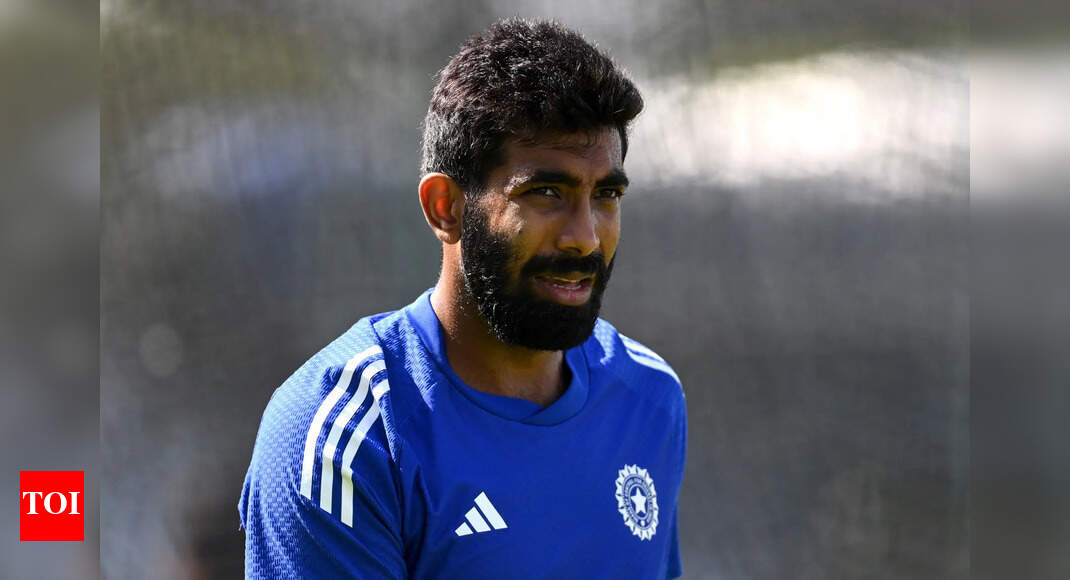
Jasprit Bumrah's pre-emptive withdrawal from the fifth Test against England was a strategic decision driven by workload management, rather than a specific knee injury, casting a renewed spotlight on the delicate balance between performance and preservation for elite fast bowlers in modern cricket. This precautionary measure underscores persistent concerns regarding the Indian spearhead's long-term availability across formats.
Bumrah, who concluded the series with 14 wickets, showcased his formidable prowess, yet his recurring injury setbacks and the need for careful workload management remain a critical concern for Team India. His limited participation in the series has led to speculation regarding his involvement in the forthcoming Asia Cup and the West Indies series, highlighting the precarious nature of a fast bowler's career. The timing coincides with England’s ascendancy in the Test, driven by centuries from Joe Root (105) and Harry Brook (111), pushing them closer to a series victory.
Legendary Australian pacer Glenn McGrath recently voiced apprehension regarding Bumrah’s career trajectory, stating that "what he does is pretty tough on the body" and he "needs an off-season" to manage his workload. McGrath emphasized that "to limit himself to Test cricket would be a shame" given his effectiveness in limited-overs formats, where his involvement has been more sporadic, representing an untapped resource. This perspective fuels the escalating debate surrounding the optimal workload management for India’s premier pace bowler.
The demands placed on multi-format fast bowlers are immense, requiring a strategic approach to sustain peak performance while mitigating injury risks. For India, a nation historically reliant on spin, developing and preserving world-class pacers like Bumrah is paramount for global competitiveness. The conversation extends beyond individual fitness to the broader need for India to cultivate a deeper pool of fast-bowling talent, ensuring continuity and reducing over-reliance on a select few.
Addressing this challenge necessitates a multi-faceted approach, encompassing scientific workload monitoring, strategic player rotation, and robust talent pathways. Investing in comprehensive athlete management programs and nurturing emerging pacers will be crucial for India to navigate the rigors of international cricket. Such measures could prolong careers like Bumrah's and strengthen India's fast-bowling arsenal for future ICC tournaments.
Ultimately, Jasprit Bumrah’s latest absence serves as a poignant reminder of the fine line between pushing boundaries and safeguarding a career. For Indian cricket, the strategic management of its most valuable pace asset, alongside the development of a resilient fast-bowling pipeline, is not merely a matter of squad depth but a fundamental pillar for sustained international dominance.
Jasprit Bumrah withdrawal fifth test England reason, Jasprit Bumrah wickets England Test series 2024, Jasprit Bumrah injury Asia Cup West Indies series 2024, England vs India fifth Test 2024 score Joe Root Harry Brook, Glenn McGrath Jasprit Bumrah workload quote