

Redmi Note 15 Pro+ Charts New Course with Satellite Connectivity for the Masses
Redmi's Note 15 Pro+ introduces satellite connectivity, an unprecedented move for its mid-range lineup, leveraging the Beidou system to redefine communication accessibility and set a new standard for feature integration in budget-conscious smartphones, impacting market dynamics and consumer expectations.
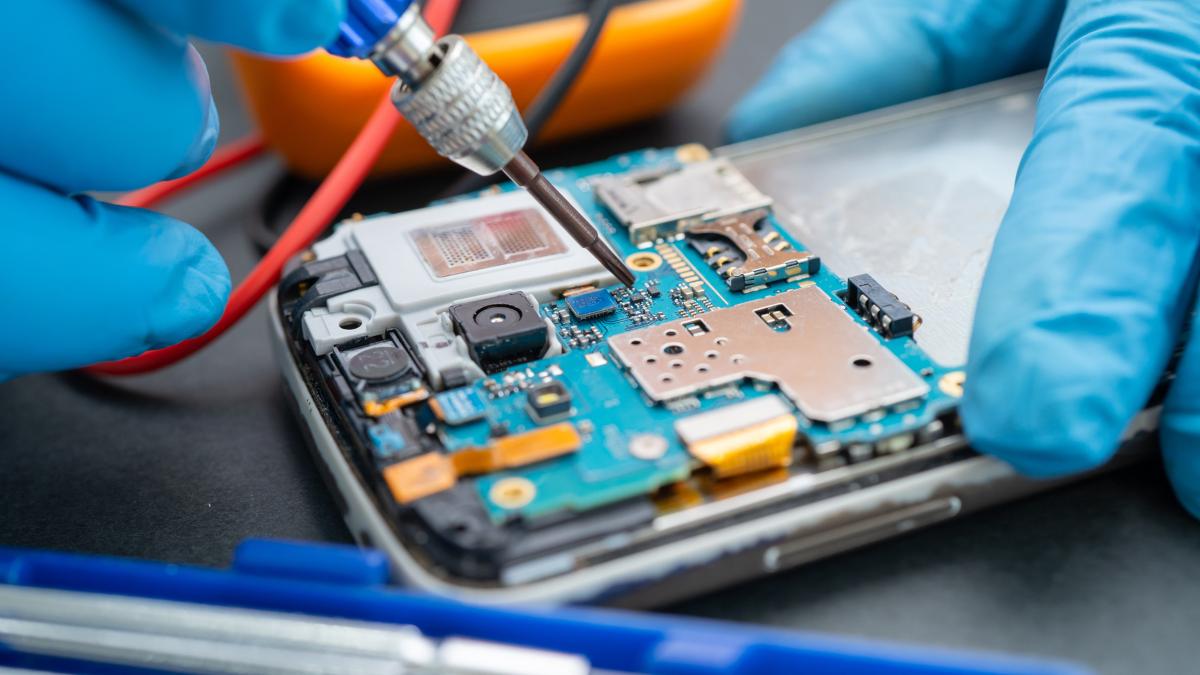
Redmi is poised to redefine the mid-range smartphone market with the imminent introduction of satellite connectivity in its upcoming Redmi Note 15 Pro+, a feature traditionally reserved for premium flagship devices. This strategic integration marks a significant leap for accessibility, offering advanced communication capabilities at a more democratic price point.
The decision to debut satellite capabilities within the popular Note series, rather than the more premium K series, underscores Redmi's calculated approach to maximize market penetration and impact. This move is not merely an incremental upgrade but a deliberate push to democratize a technology that, until recently, symbolized the pinnacle of mobile innovation.
Historically, direct-to-device satellite communication has been a niche, high-cost feature, often associated with rugged phones for extreme environments or specialized emergency services. Recent advancements, exemplified by Apple's Emergency SOS via Satellite and Huawei's two-way satellite messaging, have brought this technology into the mainstream flagship segment. Redmi's integration, specifically leveraging China's robust Beidou short message satellite communication system, confirmed through official certification, signals a new era for widespread adoption.
Beyond mere emergency signaling, the integration of satellite communication into a mid-range device like the Redmi Note 15 Pro+ could profoundly impact sectors from disaster relief to remote tourism and even daily communication in areas with inadequate cellular infrastructure. For consumers, it translates into unparalleled peace of mind, knowing a lifeline exists even off the grid.
Plausible future implications extend beyond personal safety. Industry observers suggest this could pressure other mid-range manufacturers to accelerate their own satellite integration plans, fostering a new competitive frontier. This trickle-down effect, mirroring the adoption curves of features like 5G or high-refresh-rate displays, could make satellite communication a standard expectation rather than a luxury. The device itself is tipped to feature a Qualcomm Snapdragon 7s Gen 4 chipset, a 1.5K resolution display, a robust 7,000mAh battery (with leaks suggesting between 7,000mAh and 7,999mAh), and a dual 50 MP camera system, including a 50-megapixel main sensor and a 50-megapixel telephoto shooter, further solidifying its value proposition.
The Redmi Note 15 Pro+, with its model number 25104RADAC, represents more than just a new smartphone; it embodies a strategic shift by Redmi to disrupt market expectations, making high-end features broadly accessible. This initiative has the potential to reshape consumer expectations for what a mid-range device can deliver, particularly in regions where reliable cellular coverage remains a challenge.