

Europe's Digital Border Revolution: Unpacking the New Schengen Visa and Entry/Exit System Impact
The European Union is ushering in a new era for international travel, digitalizing the Schengen visa with 2D barcodes by 2028 and implementing the biometric Entry/Exit System from October 12, enhancing security and streamlining processing for non-EU citizens while addressing initial logistical challenges.
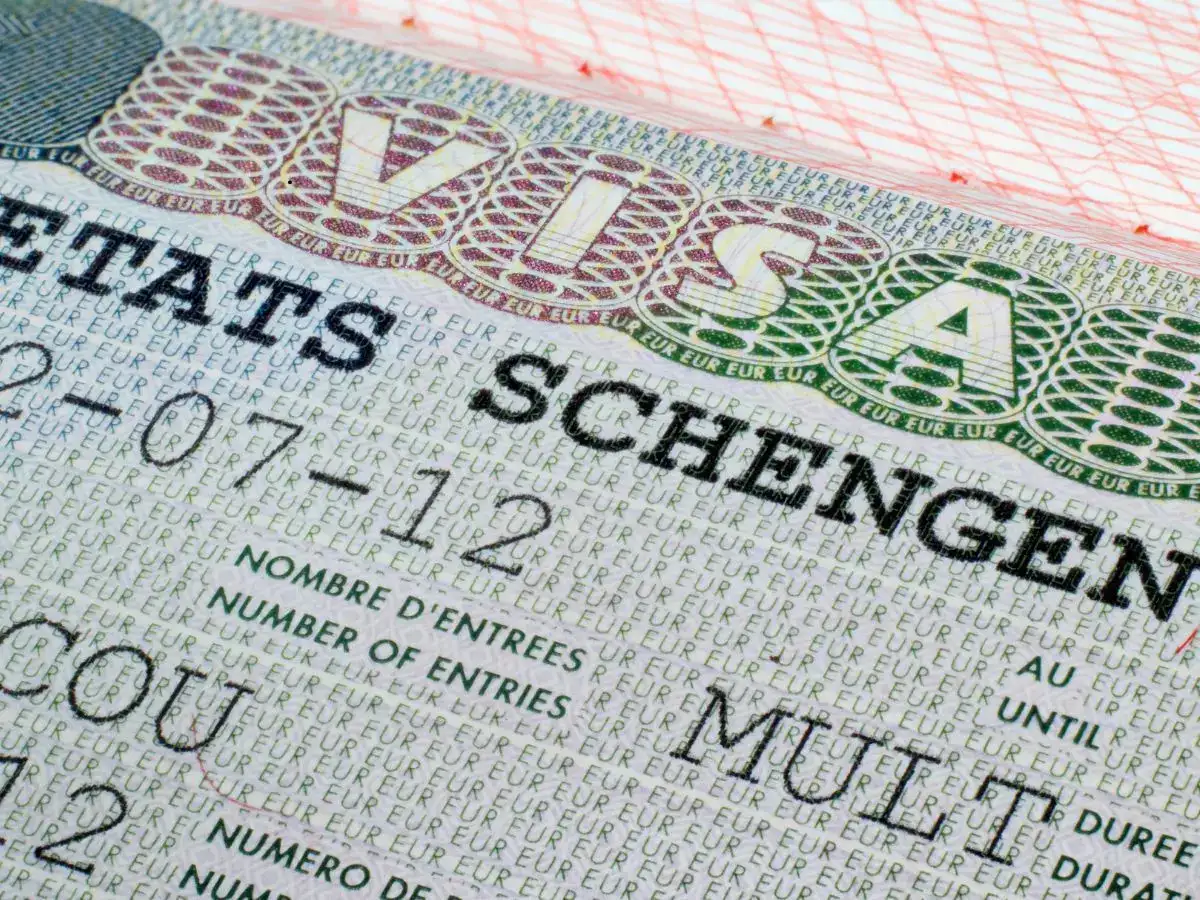
The European Union is fundamentally reshaping its external border management with the impending full digitalization of the Schengen visa system and the rollout of the new Entry/Exit System (EES), marking a significant leap towards enhanced security and streamlined international travel.
By 2028, the traditional paper-based Schengen visa and physical stickers will be phased out, replaced by secure, encrypted 2D digital barcodes. This technological shift aims to fortify border security, providing immigration officials with immediate access to comprehensive personal and visa details via a centralized EU database, thereby expediting processing times at entry points across the bloc.
Complementing this digital overhaul is the Entry/Exit System (EES), scheduled for a phased implementation beginning October 12, 2025. This system mandates biometric data collection—fingerprints and facial scans—for non-EU citizens, including UK nationals, upon entry and exit. The EES will supplant manual passport stamping, striving for tighter controls and greater efficiency in tracking third-country nationals.
The impetus behind these sweeping changes extends beyond mere modernization, reflecting a deeper commitment to countering contemporary security threats and managing increasingly complex travel patterns. In an era where digital identity is becoming paramount, the EU's move aligns with a global trend towards more sophisticated, data-driven border management, seeking to mitigate risks while accommodating high volumes of international mobility.
While promising enhanced security and long-term efficiency, the transition presents immediate logistical challenges. Concerns persist regarding potential initial delays, particularly at busy transit hubs, as travelers, especially first-time visitors who must still provide biometric data in person, adapt to the new protocols. The UK government has explicitly cautioned its citizens to anticipate longer queues during peak periods.
Successful integration necessitates not only robust IT infrastructure across all member states but also comprehensive public information campaigns. Expert analysis suggests that a seamless rollout will depend on the preparedness of border agencies and the clear communication of new requirements to millions of travelers annually, ensuring a balance between security imperatives and the facilitation of legitimate travel.
This dual transformation signifies a pivotal moment in the evolution of European border control, laying the groundwork for a more secure, interconnected, and technologically advanced approach to international entry and exit, influencing future global standards for digital travel credentials.