
High-Stakes Clash: India's Upcoming Matches in Asia Cup Ignites Geopolitical Debate
The Asian Cricket Council confirms the India-Pakistan clash on September 14 in Dubai, sparking a contentious debate among political figures regarding the balance between sports diplomacy, national security, and significant financial implications for cricket boards amidst ongoing geopolitical sensitivities.
The confirmation of the India-Pakistan cricket match on September 14 in Dubai for the Asia Cup has reignited a fervent debate, transcending the boundaries of sport into the intricate realm of national security and diplomatic priorities.
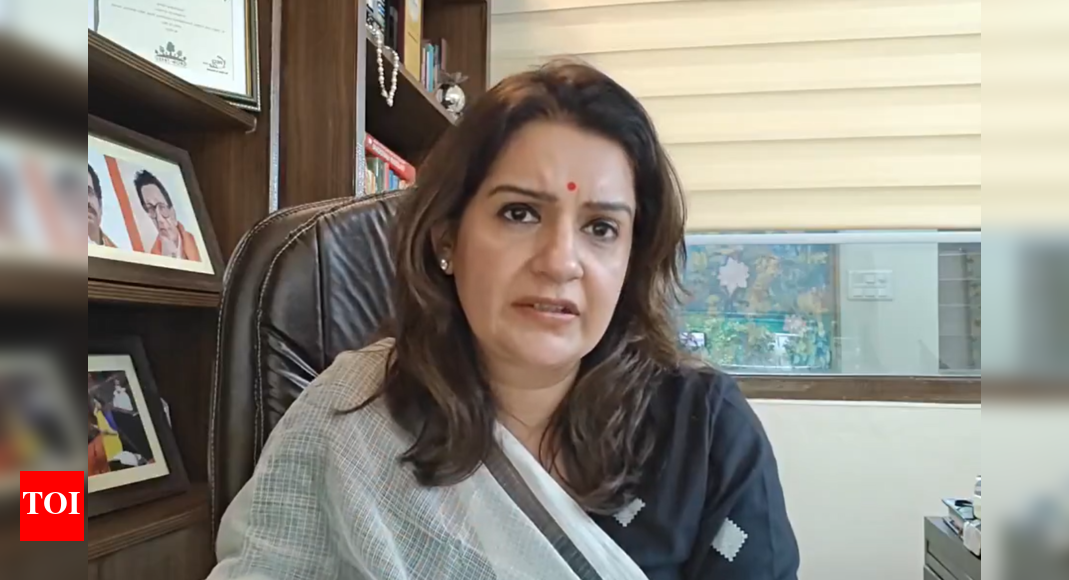
The Asian Cricket Council's (ACC) decision to proceed with the high-profile fixture, despite recent cross-border tensions and incidents like the Pahalgam terror attack and Operation Sindoor, has drawn sharp criticism from political figures. The Pahalgam terror attack occurred on April 22, 2025, and resulted in the deaths of 26 civilians. Operation Sindoor, launched on May 7, 2025, was India's military response targeting terror infrastructure in Pakistan and Pakistan-occupied Kashmir following the Pahalgam attack. Shiv Sena (UBT) leader Priyanka Chaturvedi vocalized strong opposition, questioning the government and the Board of Control for Cricket in India's (BCCI) perceived prioritization of financial gains over the sensitive security landscape, dubbing the match's revenue as "cursed money."
This cricketing encounter is more than just a game; it's a barometer of the complex relationship between the two nations, often reflecting periods of both thaw and frost. Historically, India-Pakistan matches have been rare outside ICC tournaments due to geopolitical strains, amplifying the significance and controversy of events like the Asia Cup. The decision to host in the UAE, a neutral ground, reflects an attempt to de-escalate potential on-field or fan-related tensions, while still capitalizing on the immense viewership and advertising revenue this rivalry commands globally.
Experts in sports diplomacy suggest that while cricket can act as a bridge, it simultaneously exposes deeper political fissures. The BCCI, as one of the wealthiest cricket boards globally, navigates a delicate balance between commercial imperatives and national sentiment. The economic impact of such a match extends beyond ticket sales and broadcast rights, influencing sponsorship deals, tourism in host nations like the UAE, and the overall financial health of the ACC's flagship tournament, which this year features six teams vying for supremacy.
The tournament's structure, with India, Pakistan, and Nepal in Group A, and Bangladesh, Sri Lanka, and Afghanistan in Group B, means the September 14 clash could be the first of potentially three encounters if both cricketing powerhouses advance to the Super Four stage and the final. This prospect intensifies the spotlight on every ball, every run, and every policy decision. Looking ahead, the handling of these matches could set precedents for future bilateral sporting engagements, potentially influencing broader diplomatic dialogues or, conversely, exacerbating existing rifts if the political ramifications overshadow the sporting spectacle.
As the cricketing world turns its gaze to the Dubai International Stadium, the true test lies not just in the performance of the players, but in how both nations navigate the profound interplay between national pride, geopolitical realities, and the universal appeal of sport.
Asia Cup 2023 India Pakistan match schedule location, Pahalgam terror attack 2022, Operation Sindoor India Pakistan, Priyanka Chaturvedi India Pakistan cricket match controversy, BCCI richest cricket board, Asia Cup 2023 teams groups