
Asia Cup Schedule Confirmed Amidst Geopolitical Scrutiny Over India-Pakistan Fixture
The India-Pakistan cricket match, set for September 14 in Dubai as part of the confirmed Asia Cup schedule in the UAE from September 9-28, has ignited a fierce debate regarding the prioritization of financial gains over national security amidst ongoing geopolitical tensions and past hostilities.
The highly anticipated Men's Asia Cup schedule has been formally announced, confirming the United Arab Emirates as the host nation for the tournament spanning September 9-28. Central to the fixture list is the perennial high-stakes encounter between India and Pakistan, set for September 14 in Dubai, a match that invariably transcends the cricketing pitch to ignite broader national security and diplomatic debates.
The Asian Cricket Council (ACC) has delineated the full itinerary, with the opening fixture between Afghanistan and Hong Kong taking place in Abu Dhabi on September 9. All eyes, however, remain fixed on the September 14 clash at the Dubai International Stadium, which could be followed by two additional contests if both cricketing powerhouses advance to the Super Four stage and ultimately the final on September 28, also in Dubai. The confirmation of venues provides clarity to a schedule initially announced last year, setting the stage for a tournament featuring eight nations divided into two groups, Group A comprising India, Pakistan, UAE, and Oman, and Group B featuring Bangladesh, Sri Lanka, Afghanistan, and Hong Kong.
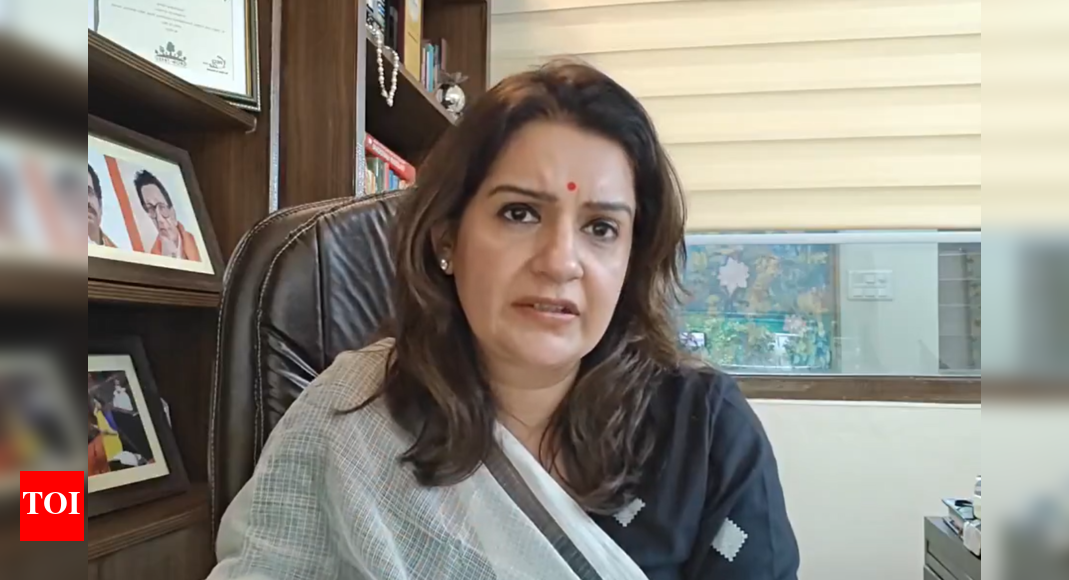
Despite the logistical finality from the ACC, the India-Pakistan encounter continues to draw significant political commentary within India. Concerns have been voiced regarding the prioritization of financial considerations over national security. This sentiment echoes historical calls for the suspension of sporting ties following instances of cross-border hostilities, such as the Pahalgam terror attack, drawing attention to the complex interplay between sports and volatile geopolitical realities. The debate underscores the public and political pressure faced by sporting bodies when organizing events involving nations with strained bilateral relations, highlighting how cricket, a unifying passion for millions, can also become a flashpoint for national sentiment.
The resumption, or continuation, of cricket matches between India and Pakistan often serves as an informal barometer of the broader political climate. Historically, these contests have been suspended or resumed based on the ebb and flow of diplomatic relations, with governments and cricket boards navigating immense public sentiment. The current decision to proceed with the fixtures in a neutral venue like the UAE reflects an industry imperative to fulfill international commitments and capitalize on the immense viewership and economic potential of such high-profile games. However, it simultaneously exposes the inherent tension for sports governing bodies tasked with balancing financial viability, global sporting calendars, and domestic political sensitivities, especially when national security concerns are invoked by political figures.
This scenario prompts a deeper consideration of sports diplomacy's limitations and possibilities. While sports are often heralded as vehicles for peace and understanding, the current controversy demonstrates their vulnerability to geopolitical currents. For the ACC and BCCI, the challenge lies in upholding the integrity of the tournament while managing the political fallout. Future implications could see a continued reliance on neutral venues for such high-stakes matches, potentially solidifying the UAE's role as a de facto hub for India-Pakistan cricketing encounters. Moreover, it necessitates a more transparent framework for decision-making by sporting organizations, one that clearly articulates the criteria balancing national interests, international sporting obligations, and the economic realities of mega-events. The ongoing discourse serves as a critical reminder that in the South Asian context, cricket is rarely just a game; it is a profound cultural and political phenomenon.
As the Asia Cup 2025 progresses, the performances on the field will undoubtedly captivate millions, yet the underlying political tensions surrounding the India-Pakistan fixture will continue to resonate beyond the boundaries, shaping conversations about national policy, sports governance, and the intricate dance between diplomacy and the global game.