

Farm Law Furore: Rahul Gandhi's Anachronistic Claim Stirs Political Hornets' Nest
Rahul Gandhi's assertion at the Annual Legal Conclave 2025 that late Union Minister Arun Jaitley threatened him over farm laws in 2020 has been factually discredited by Jaitley's son, Rohan, as Arun Jaitley passed away in 2019, sparking renewed debate over agricultural policy and intensifying the Congress-BJP political tussle.
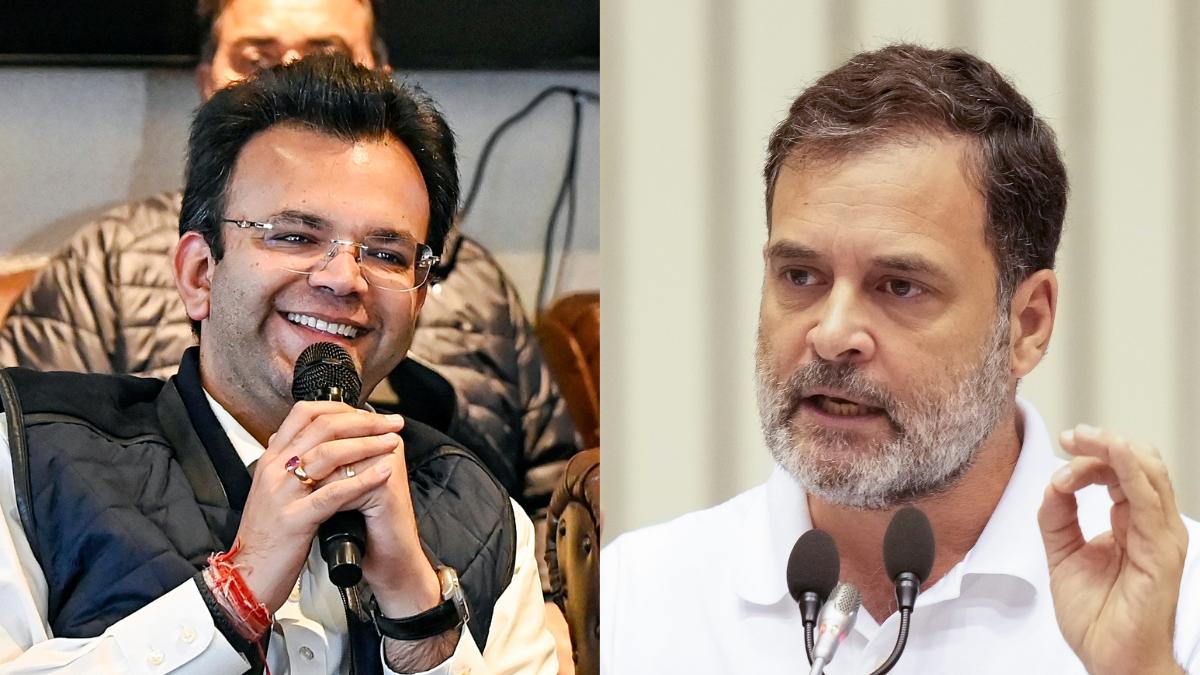
Rahul Gandhi, speaking at the Annual Legal Conclave 2025 in Delhi, asserted that late Union Minister Arun Jaitley had threatened him regarding the contentious farm laws. This statement was swiftly countered by Jaitley's son, Rohan Jaitley, who highlighted a critical chronological discrepancy: his father passed away in August 2019, approximately ten months before the farm laws were introduced as ordinances in June 2020.
Gandhi's allegation posited that Jaitley had warned him against resisting the legislation, claiming Jaitley had made a statement about acting against those opposing the government and the farm laws. This claim, made during an event where Gandhi also leveled accusations against the Election Commission concerning voter fraud in the 2024 Lok Sabha elections and alleged Prime Minister's Office interference in the Rafale deal, immediately became a flashpoint in India’s fractious political landscape. However, given Arun Jaitley's passing on August 24, 2019, and the introduction of the farm laws as ordinances on June 5, 2020, followed by their passage in September 2020, any such statement from Arun Jaitley regarding these specific laws would be chronologically impossible.
The swift rebuttal from Rohan Jaitley underscored the significant factual inaccuracy at the heart of Gandhi’s assertion. Arun Jaitley, a towering figure in Indian politics and former Finance Minister, passed away on August 24, 2019. The three farm laws in question, which sparked nationwide farmer protests, were introduced as ordinances on June 5, 2020, and subsequently passed by Parliament in September 2020. Rohan Jaitley emphatically stated that his father was a "staunch democrat" who consistently advocated for dialogue and consensus-building, characterizing the claim as both disrespectful and contrary to his father's known disposition.
This extraordinary claim has inevitably rekindled the heated debate surrounding India's agricultural policy reforms. The farm laws, initially pitched by the Centre as vital for modernizing the agricultural sector and increasing farmer income, faced unprecedented resistance from various farmer unions. The year-long protests, particularly at Delhi’s borders, culminated in the government's decision to repeal the laws, which occurred with the introduction of the repeal bill on November 29, 2021, and subsequent formal repeal by December 1, 2021. Gandhi's latest remark, irrespective of its factual basis, strategically reignites the political wounds associated with this period, positioning the Congress as a steadfast defender of agricultural interests.
Beyond the immediate political skirmish between the Congress and the ruling BJP, especially as Parliament braces for a crucial Monsoon session, this incident highlights a growing trend in contemporary political discourse: the strategic deployment of historical figures and events to shape present narratives. The use of a deceased statesman's name in a factually contested context raises questions about the integrity of public debate and the potential for a "post-truth" political environment where factual verification becomes secondary to narrative impact. Analysts suggest such maneuvers aim to evoke a specific emotional or ideological response, diverting attention from current policy discussions to historical grievances, however anachronistic. The challenge for stakeholders lies in preserving a foundation of verifiable truth amidst the cacophony of political rhetoric.
This episode also prompts deeper reflection on the legacy of figures like Arun Jaitley. His political career was defined by meticulous legal acumen, parliamentary debate, and a reputation for intellectual rigor. Leveraging his name, even in error, underscores the enduring influence and symbolic power that certain political personalities continue to wield posthumously. As India navigates complex policy challenges, the integrity of political commentary and the respect for historical accuracy become paramount. Expert recommendations often lean towards robust public fact-checking mechanisms and a renewed emphasis on evidence-based political arguments to foster a healthier democratic dialogue and prevent the erosion of trust in public institutions and figures.
The claim by Rahul Gandhi regarding Arun Jaitley and the farm laws, swiftly debunked by the late minister's son due to the chronological impossibility, stands as a stark reminder of the volatile nature of political discourse in India. It not only intensifies the ongoing rivalry between major parties but also underscores the persistent challenge of distinguishing factual claims from strategic narratives in the high-stakes arena of national politics.