

Sansad TV Leadership Shift Coincides with Historic Vice Presidential Resignation, Reshaping Parliamentary Discourse
These concurrent events signal a pivotal administrative and constitutional juncture, influencing parliamentary broadcast dynamics and broader political stability.
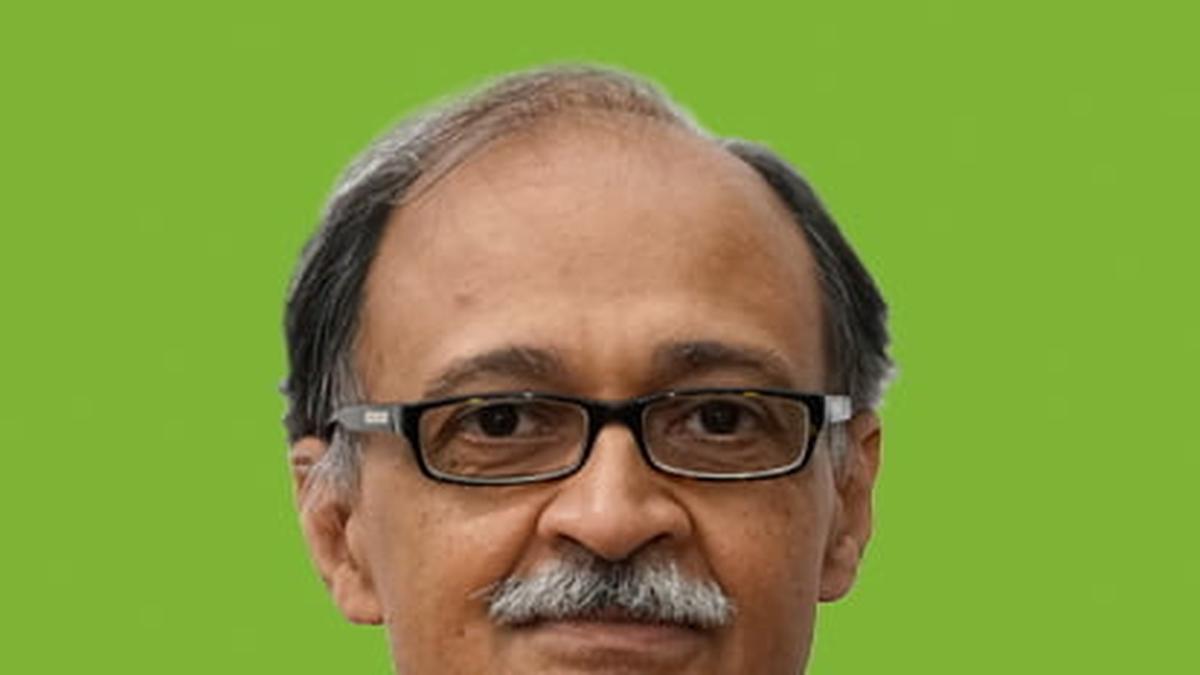
Utpal Kumar Singh, currently the Secretary-General of the Lok Sabha, has been appointed as the new Chief Executive Officer of Sansad TV, effective immediately, a significant administrative transition occurring concurrently with the unprecedented resignation of Vice President Jagdeep Dhankhar from his constitutional office with two years remaining in his term.
The change at Sansad TV sees Singh succeeding Rajit Punhani, an IAS officer of the 1991 Bihar cadre, whose tenure as CEO commenced under the chairmanship of then Vice President Jagdeep Dhankhar. Singh's extensive experience as Lok Sabha Secretary-General imbues him with a profound understanding of parliamentary procedures, legislative processes, and the intricate dynamics of India's bicameral system. This deep institutional knowledge is seen as crucial for guiding Sansad TV, a public broadcaster formed from the merger of Lok Sabha TV and Rajya Sabha TV in 2021, in its mission to telecast live parliamentary proceedings and offer insightful analyses, thereby serving as a vital conduit for democratic transparency and public engagement with India's legislative machinery.
The backdrop to this administrative reshuffle is the remarkable departure of Jagdeep Dhankhar from the Vice Presidency, marking the first time in independent India's history that an incumbent Vice President has resigned. The Vice President, by constitutional design, serves as the Chairman of the Rajya Sabha, a role that typically places them at the helm of parliamentary administration and, by extension, oversight of institutions like Sansad TV. This dual development—a key leadership change at the parliamentary broadcaster alongside a rare vacancy in a high constitutional office—underscores a period of significant transition within India’s democratic framework. Observers note that such shifts, while administrative, can influence the narrative and operational emphasis of parliamentary communication, impacting how legislative affairs are presented to the nation.
Experts in public administration and constitutional law emphasize the critical importance of leadership continuity and impartiality in institutions like Sansad TV, especially given its role in projecting the nation's legislative work. "The appointment of a seasoned parliamentary official like Utpal Kumar Singh to Sansad TV’s helm suggests a strategic focus on aligning the broadcaster's operations more closely with the core functions and ethos of the Lok Sabha and Rajya Sabha," commented Dr. Alok Prasad, a distinguished scholar of constitutional governance based in New Delhi. "Simultaneously, the Vice President's resignation, while unprecedented, highlights the robustness of India's constitutional mechanisms, which are designed to absorb such transitions without disruption to the democratic process." This period calls for meticulous attention to ensuring that parliamentary proceedings remain accessible and unbiased, upholding the principles of accountability and transparency.
As India's parliamentary landscape navigates these changes, the seamless transition of leadership at Sansad TV, coupled with the constitutional mechanisms activated by the Vice President's resignation, will be closely watched. These developments are poised to shape the future direction of public broadcasting on legislative matters and further define the administrative nuances within the apex democratic institutions of the world's largest democracy.