
Supreme Court Rebukes Karnataka Government Over Tejasvi Surya Case, Upholding Rule of Law
The ruling imposes a significant fine and underscores the judiciary's commitment to protecting political expression while cautioning against state overreach and the politicization of legal processes.
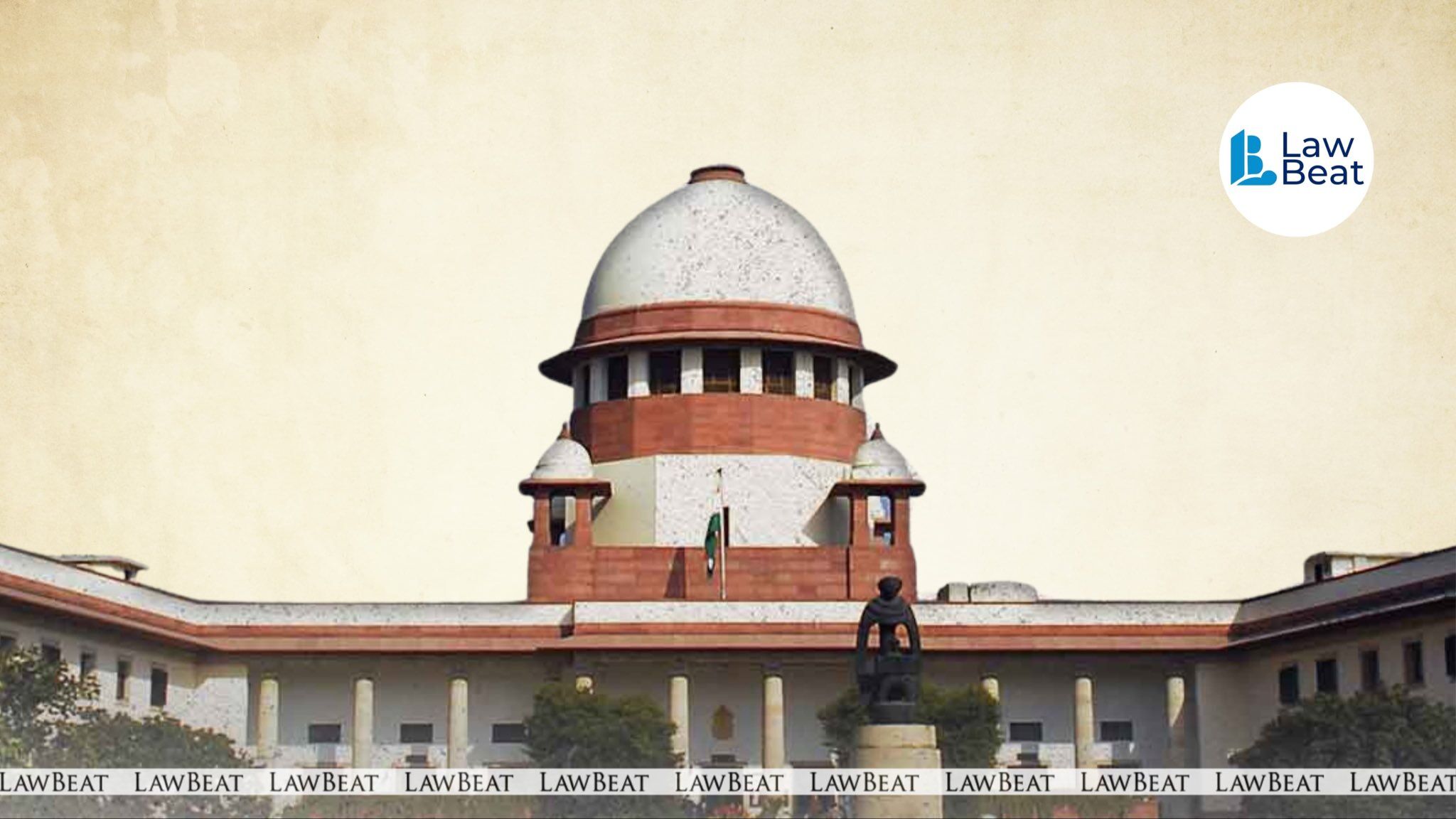
India's Supreme Court has delivered a sharp rebuke to the Congress-led Karnataka government, imposing a ₹25 lakh fine on the state exchequer for what it deemed the politicization of a legal dispute involving BJP Member of Parliament Tejasvi Surya. The apex court dismissed the state's special leave petition, which sought to challenge a high court order quashing a criminal case against Surya linked to a social media post.
The dispute originated from a social media post shared by Mr. Surya concerning a farmer's suicide, which inaccurately linked the tragedy to the Waqf Board. While the post was subsequently deleted after police clarified the circumstances were unrelated, the Karnataka government proceeded with a criminal case against the MP. The High Court had previously quashed this FIR, a decision the state then appealed to the Supreme Court. The top court, led by Chief Justice B.R. Gavai, strongly admonished the state for bringing the matter before it, emphasizing that political battles should be fought "before the electorate," not through the judiciary.
This ruling arrives at a critical juncture in India's political landscape, where the proliferation of digital platforms has amplified both legitimate discourse and the spread of misinformation. Historically, the Indian judiciary has often served as a crucial bulwark against potential executive overreach, particularly when matters of freedom of speech and expression, enshrined under Article 19(1)(a) of the Constitution, are implicated. The Court's stern words resonate with a long-standing principle: that the machinery of the state should not be deployed to settle political scores, a practice that risks undermining democratic institutions and eroding public trust in the justice system.
Legal experts view this judgment as a significant affirmation of judicial independence and a clear message against the misuse of legal processes for partisan ends. Dr. Anupama Singh, a constitutional law scholar based in Delhi, remarked, "The Supreme Court has unequivocally reinforced the distinction between political competition and legal governance. It underscores the judiciary's role not just in interpreting laws, but also in safeguarding the integrity of democratic processes from undue political interference." Such rulings contribute to the evolving jurisprudence around digital content regulation, stressing accountability for online speech while simultaneously protecting robust political debate.
The implications of this judgment extend beyond the immediate parties involved. It sets a precedent that could influence how state governments approach legal action against political adversaries, potentially encouraging more restraint and a greater reliance on electoral contests to resolve differences. Furthermore, it reiterates the onus on public figures, regardless of political affiliation, to exercise greater responsibility in their online conduct, especially concerning sensitive information. The decision reinforces the judiciary's role as a vital check on power, promoting a healthier political environment where legal avenues are not weaponized for short-term political gains, but reserved for genuine grievances and the pursuit of justice.
The Supreme Court's decisive action in the Tejasvi Surya case serves as a poignant reminder of the delicate balance between state authority, individual liberties, and the imperative of a fair political arena. It reinforces the principle that democracy thrives not on legal skirmishes instigated by political rivalry, but on robust debate, accountability to the electorate, and an independent judiciary committed to upholding the rule of law.