

Monsoon Fury Unleashes Over Rajasthan: Chambal Swells, Jaipur Grapples with Deluge
This intense hydrological activity, coupled with the opening of six gates at the Rana Pratap Sagar dam, which released 2.10 lakh cusecs, poses immediate challenges for communities downstream, while Jaipur simultaneously contended with severe urban inundation, disrupting daily life and highlighting the evolving complexities of urban flood management in an era of climatic shifts.
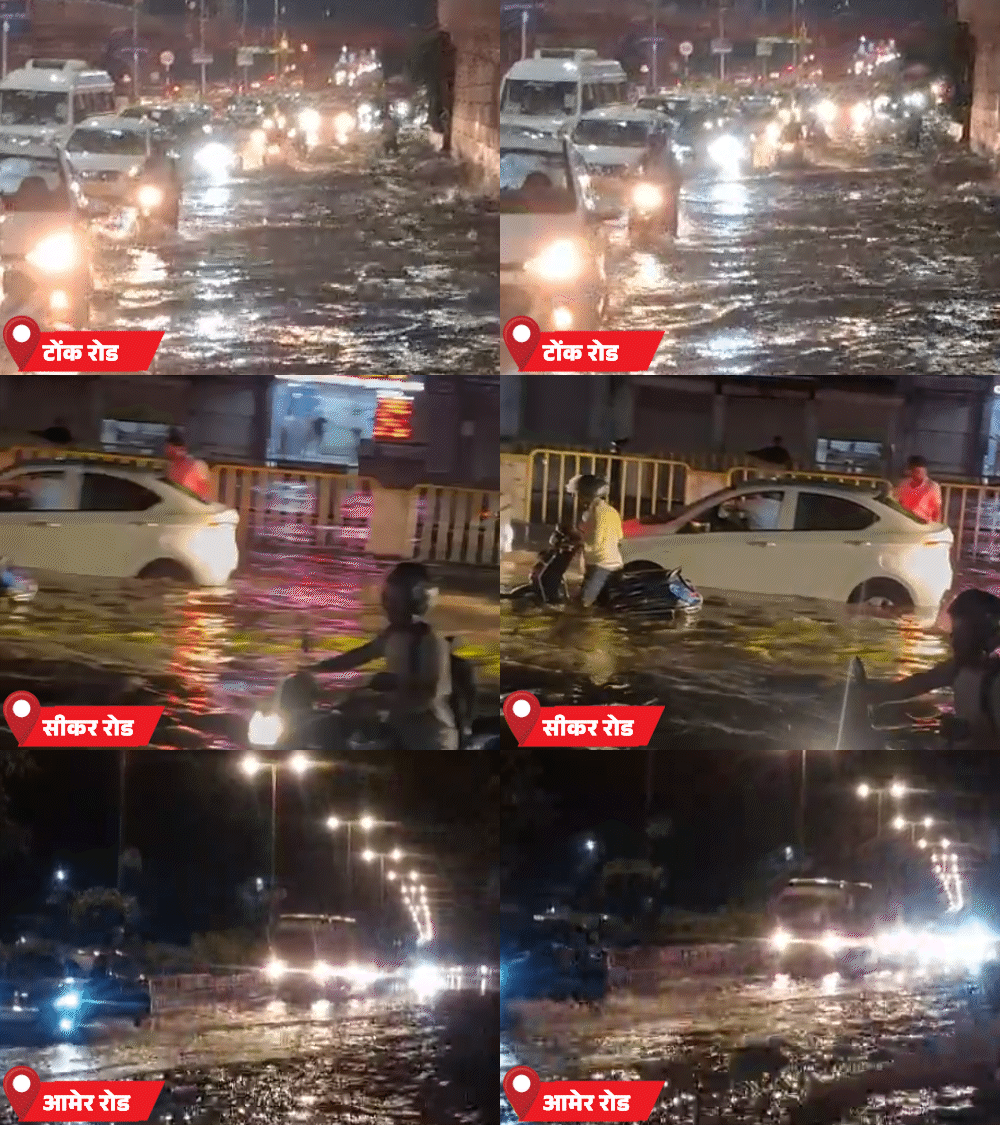
Heavy monsoon rains have dramatically escalated water levels in Rajasthan's key river systems, with the Chambal River experiencing a significant 5-foot surge in just 24 hours. This intense hydrological activity, compounded by the opening of six gates at the Rana Pratap Sagar dam, which released 2.10 lakh cusecs, poses immediate challenges for communities downstream, while Jaipur simultaneously contended with severe urban inundation on Monday evening, disrupting daily life across the capital.
The Chambal River, a vital artery often referred to as the 'Dakshin Ganga' of Madhya Pradesh and Rajasthan, is renowned for its historically volatile monsoon flows. Past significant flood events, notably in 1961 and 1973, underscored the critical need for sophisticated water management, leading to the construction of major projects like the Rana Pratap Sagar. This strategic dam, part of the multi-purpose Chambal Valley Project, plays a pivotal role in balancing irrigation needs for millions of agriculturalists with crucial flood control. The current release from Rana Pratap Sagar, alongside rising levels in the Kalisindh and Sawaipura rivers, reflects the immense pressure on these ancient river systems under contemporary monsoon conditions.
Across multiple districts, the relentless downpour has caused widespread flooding, impacting numerous villages and raising concerns for the agricultural sector. The fertile plains, largely dependent on the Chambal basin for cultivating Kharif crops such as maize, soybean, and paddy, face considerable threats from prolonged waterlogging. Such events can severely compromise standing crops, directly affecting rural livelihoods and regional food security. Furthermore, the ensuing disruptions to road networks and local transportation channels impede the movement of essential goods and agricultural produce, exacerbating economic strain on a broader scale.
In Jaipur, Monday's torrential rainfall swiftly transformed major thoroughfares into waterlogged channels, triggering extensive traffic congestion and significant inconvenience for residents. The India Meteorological Department (IMD) has attributed this surge in precipitation to the monsoon trough remaining south of its normal position, further influenced by a low-pressure area that evolved from a depression over the West Bengal coast, now centered over northwest Madhya Pradesh. While this system is anticipated to weaken, its residual impact is forecast to bring sustained heavy rainfall across Northwest India, including parts of Rajasthan, with the Western Himalayan regions bracing for very heavy downpours between July 29th and 31st.
Dr. Kavita Singh, a leading climatologist at the National Institute of Disaster Management, remarked, "The intensification of short-duration, high-intensity rainfall events is a clear fingerprint of climate change on our monsoon patterns. While the overall monsoon might remain consistent, the extreme variability demands a paradigm shift in our flood preparedness and urban drainage infrastructure." This perspective underscores the evolving challenges for urban planners in cities like Jaipur, where rapid development often outpaces improvements in stormwater management. Authorities have established dedicated control rooms to monitor the situation continuously and coordinate relief efforts, highlighting the urgent need for robust, climate-resilient strategies.
As Rajasthan braces for further precipitation in the coming days, particularly with forecasts for the Western Himalayan regions, the current deluges serve as a stark reminder of the evolving challenges posed by extreme weather events. The concerted efforts of state disaster management agencies, engineering bodies responsible for dam operations, and local communities will be crucial in navigating the immediate crisis and fostering long-term resilience against a changing climate, ensuring sustainable water management for both human needs and ecological balance.