

Monsoon Deluge Exposes Delhi's Urban Resilience Gaps Amidst Intensifying Civic Debate
The recurring deluge exposes foundational gaps in urban infrastructure and intensifies the political blame game, underscoring the urgent need for comprehensive, climate-resilient planning and inter-agency cooperation beyond immediate relief efforts.
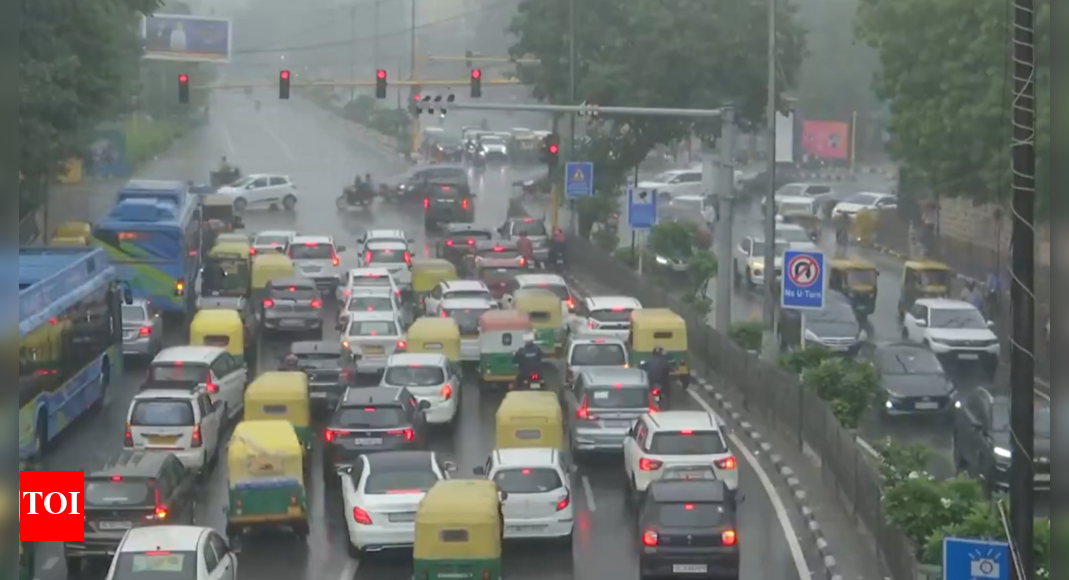
Heavy rainfall is set to inundate New Delhi, with approximately 20 millimeters expected on Tuesday, July 30, 2025, potentially leading to widespread waterlogging across the capital's already saturated infrastructure, as temperatures remain unseasonably cool. Forecasters predict an even more significant downpour on Wednesday, exacerbating existing drainage challenges and triggering renewed scrutiny over urban preparedness.
The impending meteorological event underscores a perennial challenge for the National Capital Region, often grappling with the immense pressure of its monsoon season. Historically, Delhi’s rapid urbanization, often outpacing the development of robust subterranean drainage networks, has created a complex web of vulnerabilities. Experts like Dr. Priya Sharma, an urban hydrologist at the Indian Institute of Technology Delhi, point out that a significant portion of the city's storm drain infrastructure, particularly in older sectors and unplanned colonies, still operates on designs that predate modern climatic realities and population densities. "While desilting efforts are crucial, the fundamental issue lies in the capacity and connectivity of these systems to handle the increased intensity of rainfall events we are observing, a trend consistent with broader climate change patterns," Dr. Sharma noted in a recent seminar on urban flood mitigation strategies.
This cyclical pattern of heavy rains inevitably spotlights the state of civic governance and infrastructure maintenance. Following recent downpours that transformed thoroughfares like the Ring Road and areas around AIIMS into waterlogged canals, a sharp political exchange has erupted between the Aam Aadmi Party (AAP) and the Bharatiya Janata Party (BJP). Leader of Opposition Atishi of the AAP leveled accusations against the BJP-led administration, asserting that the pervasive waterlogging—evidenced by widely circulated videos depicting severe inundation at critical junctures such as ITO, Kamla Nagar Market, and even residential areas housing Members of Parliament—represents an "utter failure" in ensuring basic civic upkeep. The party emphasized a lack of proactive measures and systemic neglect in preparing for the annual monsoon.
In immediate response, Chief Minister Rekha Gupta visited affected sites, including the heavily impacted ITO intersection, to personally assess the situation and defend the government’s efforts. Chief Minister Gupta highlighted extensive pre-monsoon drain cleaning operations and the implementation of new, advanced pumping systems designed to accelerate water dispersal. Conversely, the BJP countered by attributing the persistent issues to what they described as "years of neglect and mismanagement" under previous administrations, implying a long-standing deficit in infrastructure development and maintenance that cannot be rectified in a single season. This political friction often overshadows the urgent need for a unified, long-term strategy involving multiple municipal agencies and stakeholder collaboration.
As Delhi anticipates further precipitation, with a brief respite predicted for the weekend before patchy rains return the following week, residents are advised to secure their homes and prepare for potential disruptions to daily commutes and commercial activities. The recurring nature of these challenges underscores the critical need for a paradigm shift in urban planning—moving beyond reactive measures towards a holistic, climate-resilient infrastructure. This includes smart city initiatives focused on permeable surfaces, rainwater harvesting, and integrated water management systems that can adapt to changing climatic patterns and population growth. The long-term impact on the city's economy, public health, and livability hinges on robust, bipartisan commitment to these fundamental infrastructural reforms.
The monsoon's annual arrival serves as a stark reminder that while the weather is a natural phenomenon, urban resilience is a construct of vigilant governance, strategic investment, and collaborative foresight, demanding a shift from blame to sustained action for Delhi's future.