

Time-Turner's Legacy: HBO's Path to Unraveling Harry Potter's Chronological Knot
The new HBO series faces the critical task of defining the magical Time-Turners' ambiguous rules and their eventual destruction, offering a chance to solidify the Wizarding World's canonical integrity for future generations.
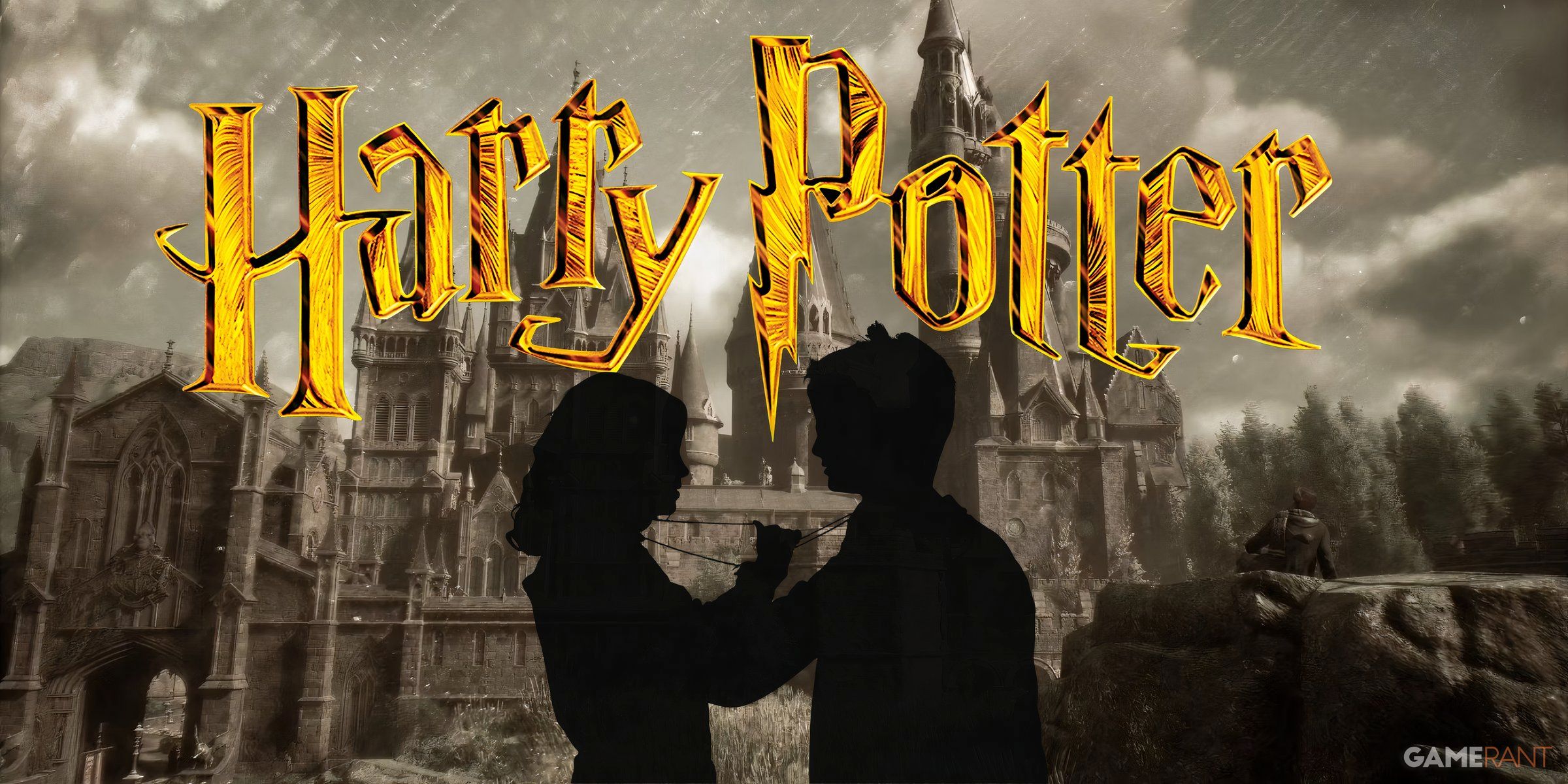
As the Wizarding World gears up for its episodic HBO reimagining, one of the most anticipated narrative challenges lies within the enigmatic Time-Turners, devices that offered both magical convenience and considerable plot complexity in *Harry Potter and the Prisoner of Azkaban*.
Introduced as a crucial tool for Hermione Granger to manage an impossibly demanding academic schedule, the Time-Turner transcended its initial purpose to become integral to the dramatic climax of the third installment, enabling the rescue of Buckbeak the Hippogriff and Sirius Black. This pivotal narrative function showcased the device's immense potential for manipulation of time and consequence, yet its sudden appearance and subsequent disappearance left many canonical questions unanswered for devoted followers of J.K. Rowling's saga.
The principal source of fan contention stemmed from the ambiguous rules governing the Time-Turner's use. Core issues included the lack of clear limitations on how far back one could travel, why Albus Dumbledore entrusted such a powerful and potentially dangerous artifact to a third-year student, and why it was never again utilized to avert future catastrophes or save lives throughout the later, more perilous conflicts within the series. This narrative vacuum, though later partially filled by Rowling's clarifications on Pottermore, highlighted an area ripe for adaptation-driven resolution.
Rowling later specified on Pottermore (now Wizarding World) that, according to Professor Saul Croaker who studied time-magic, "All attempts to travel back further than a few hours have resulted in catastrophic harm to the witch or wizard involved." This crucial detail was not explicitly present in the original texts. Furthermore, all known Time-Turners stored in the Ministry of Magic were destroyed during the Battle of the Department of Mysteries in *Harry Potter and the Order of the Phoenix*, which offered a canonical explanation for their absence in the latter half of the series. These retroactive explanations, while valuable, underscore the inherent difficulties in maintaining seamless world-building when powerful magical mechanics are introduced without fully delineated parameters.
For the HBO series, this presents a unique opportunity for narrative discipline. By visually establishing the Time-Turner's precise limitations from the outset and clearly depicting its accidental destruction—perhaps within the dramatic unfolding of the Ministry of Magic skirmish—the adaptation can fortify the consistency of the Wizarding World's temporal mechanics. This meticulous approach to canon addresses past ambiguities and sets a precedent for how powerful magical elements are integrated into the unfolding story, fostering greater audience trust and deeper immersion. Such clarity is paramount in a multi-season adaptation where foundational rules dictate future plot possibilities and character agency.
The Time-Turner saga serves as a compelling case study for the upcoming HBO series, underscoring the critical need for a coherent magical rulebook in long-form adaptation. By embracing the opportunity to clarify and visually reinforce the device's boundaries and ultimate fate, the series can not only satisfy a discerning global fanbase but also set a new standard for narrative integrity in the expansive realm of fantasy storytelling, ensuring that the magic endures without temporal paradoxes.