

Dhadak 2 Budget Performance: A Stark Look at Caste Dramas in Commercial Cinema
The film's struggle at the box office despite critical acclaim underscores the complex dance between art and commerce in Indian cinema, especially for narratives tackling sensitive social issues like caste discrimination, demanding innovative strategies for broader audience engagement.
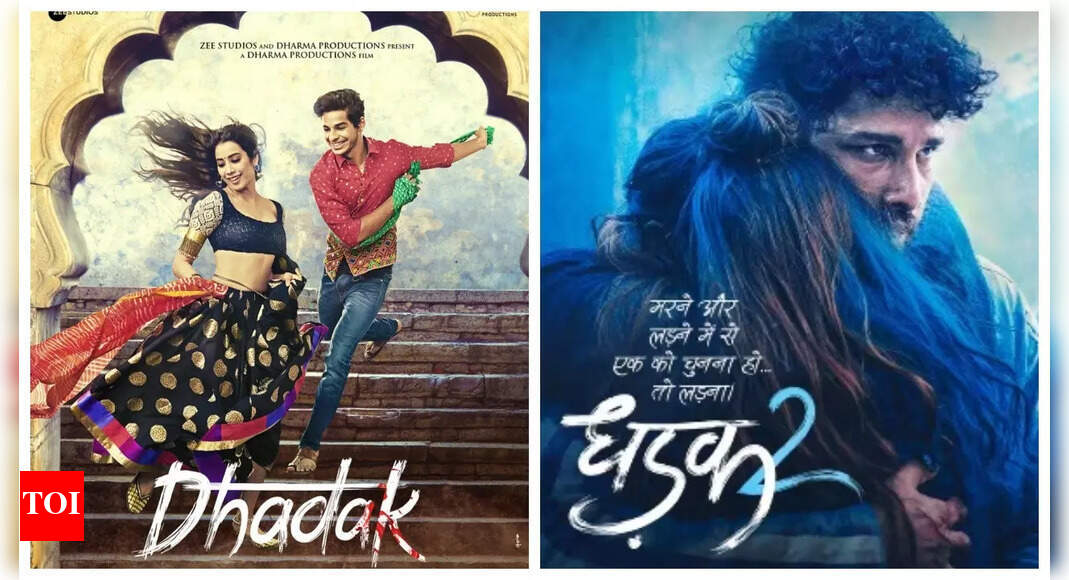
Despite widespread critical acclaim for its powerful narrative on caste-based discrimination and compelling performances from Triptii Dimri and Siddhant Chaturvedi, 'Dhadak 2' has opened to a challenging box office, signalling a complex interaction between artistic merit and commercial viability in contemporary Indian cinema.
The romantic drama, a remake of the Tamil film 'Pariyerum Perumal' (2018) delving into themes of casteism and classism, has garnered significant praise, particularly for director Shazia Iqbal's debut and Siddhant Chaturvedi's lauded portrayal. However, its initial theatrical run has seen the film net an estimated ₹3.5 crore on its opening day (Friday) and ₹3.75 crore on its second day (Saturday), with a total of ₹7.25 crore by its second day. The film's total collection reached ₹8 crore in India after its opening weekend and has grossed ₹10.30 crore till date. The film struggled to convert critical appreciation into robust ticket sales.
This commercial paradox raises pertinent questions about how films addressing crucial societal issues like caste dynamics navigate the mainstream market. Historically, Indian cinema has often served as a mirror reflecting social realities, with powerful narratives challenging the status quo. Yet, the current competitive landscape often prioritizes high-octane entertainment, making it difficult for sensitive, issue-based dramas to capture widespread audience attention.
Industry analysts suggest that the significant marketing and distribution efforts typically associated with larger studio releases, often linked to the overall film budget, play a crucial role in initial audience capture. For films like 'Dhadak 2', despite their profound subject matter, competing against productions with extensive promotional muscle presents a formidable challenge, especially when facing competition from films like 'Son of Sardaar 2' and 'Saiyaara'. This necessitates a re-evaluation of how such impactful stories can secure a wider reach and resonate with diverse audiences in a crowded market.
The film's reception highlights a critical juncture for Indian filmmaking: how to ensure that essential narratives on social justice, like the plight of a law student facing caste-based discrimination, receive the commercial backing and audience engagement commensurate with their importance. The performance of 'Dhadak 2' may influence future investment in similar projects, urging producers and distributors to explore innovative strategies for connecting meaningful cinema with a broad viewership.
Ultimately, 'Dhadak 2' stands as a compelling artistic achievement, reaffirming cinema's power to provoke thought and initiate dialogue on deeply entrenched societal issues. Its box office trajectory, however, underscores the ongoing challenge of bridging the gap between critical acclaim for socially relevant films and their commercial success, prompting a wider conversation on audience preferences and industry support for such vital storytelling.