

Fernando Alonso's Hungarian Renaissance: Unraveling Aston Martin's F1 Enigma
Unraveling Aston Martin's F1 enigma requires deep analysis into their dramatic Hungarian Grand Prix turnaround, identifying how track characteristics and subtle aerodynamic upgrades unlocked significant pace after struggles in Belgium, highlighting the crucial need for consistent performance across varied circuits.
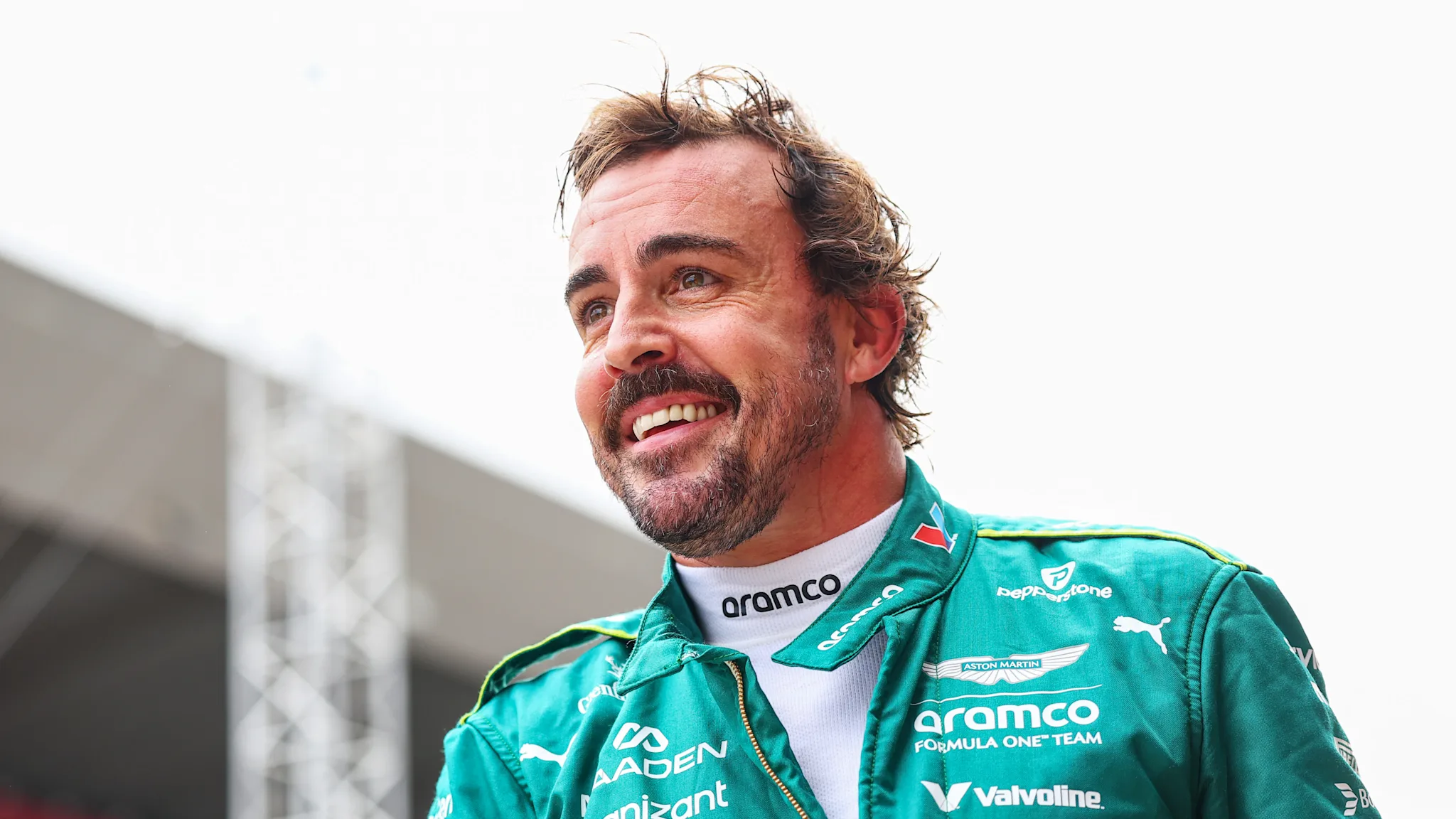
Fernando Alonso and Lance Stroll dramatically reversed Aston Martin's fortunes at the Hungarian Grand Prix, securing a remarkable fifth and seventh place finish, just one weekend after a puzzling lack of pace left them at the back of the grid in Belgium, where they were 19th and 20th on pure pace. This abrupt swing in performance has ignited a crucial internal investigation for the Silverstone-based squad, with drivers seeking to understand the "sweet spot" of the car.
The marked improvement, particularly Alonso's qualifying performance, which was just over a tenth off pole, underscored the AMR25 car's newfound compatibility with the Hungaroring's tight, twisty configuration. Team principal Mike Krack acknowledged the profound impact of track characteristics, stating, "I still believe we can be cautiously optimistic here – but perhaps a little more because the circuit will suit us, rather than in pure performance terms". This highlights the razor-thin margins and the constant engineering battle to optimize downforce and balance for diverse circuit demands.
While a newly introduced, more aggressive front wing contributed, designed for higher-downforce circuits like the Hungaroring, the team admits the precise alchemy behind their competitive resurgence remains elusive. Fernando Alonso noted, "It will be nice to understand why the car is operating in this sweetspot, because if we can understand that, we can use it for the next races". Such variability points to the profound sensitivity of current ground-effect aerodynamics. Understanding whether this was a peak performance tailored to specific track characteristics or a breakthrough in a wider operating window is paramount for Aston Martin’s aspirations to challenge consistently at the front, especially given the strictures of the sport's cost cap limiting extensive trial-and-error.
For a team striving to cement its place among Formula 1's elite, this performance dichotomy presents a significant analytical challenge. Experts suggest that a deep dive into telemetry, correlating setup choices with specific track sectors and tire degradation profiles, is essential. The data from both Spa and Budapest will be critical in isolating variables and refining the AMR25’s aerodynamic package to ensure greater performance robustness across the calendar, rather than isolated flashes of brilliance. Mike Krack himself called the Hungarian GP a "reality check," emphasizing the need to "keep working hard, and push through the developments to get back to where we were earlier in the season".
The Hungarian result, yielding 16 valuable points, provides a vital psychological boost ahead of the summer break, yet it simultaneously casts a spotlight on the inconsistency that has punctuated Aston Martin's season. For Fernando Alonso, a two-time world champion renowned for his development prowess, deciphering this puzzle will be key to converting promising weekends into sustained championship contention. The next phase of development will focus on expanding the car's "sweet spot" to encompass a broader range of circuits, a crucial step for any team with title ambitions.
As the season progresses, Aston Martin's ability to replicate this Hungarian form on less favorable circuits will determine their ultimate standing. The onus is now on their technical team to fully comprehend the intricate interplay of car design, track demands, and driver input, transforming sporadic success into reliable championship-level performance.