

Cesc Fabregas' Como Decision Puts Dele Alli's Illustrious Career at Crossroads
This critical juncture raises significant questions about player welfare and the relentless demands of elite football, especially given the midfielder's past struggles with mental health and addiction, culminating in a solitary, ill-fated appearance for the Serie A side.
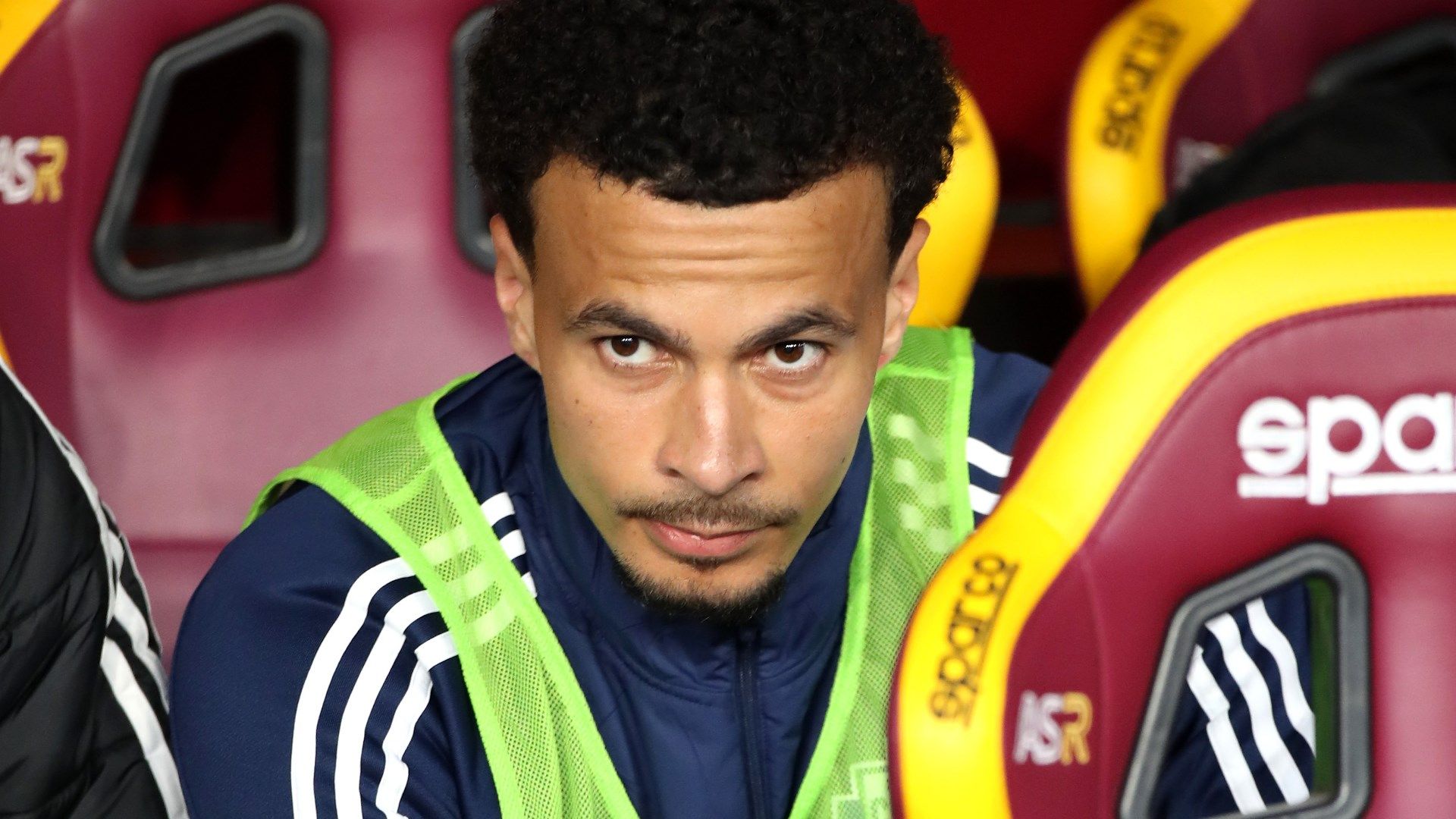
Former England international Dele Alli, at 29, is reportedly contemplating an early retirement from professional football following his exclusion from Como's first-team plans by manager Cesc Fabregas, marking a critical juncture in the midfielder's once-promising career.
Alli, who joined the Serie A side Como in January 2025 on an 18-month contract, has made just a single ten-minute appearance for the club. That solitary outing concluded with a red card against AC Milan in March, an incident that evidently solidified his current isolated training status. This swift ostracization by Fabregas highlights the brutal performance-driven nature of top-tier European football, where patience for high-profile acquisitions can be exceptionally thin.
The former Tottenham and Everton star has openly discussed his battles with mental health and addiction, issues that have undeniably impacted his on-field consistency and availability. His current predicament at Como, under the guidance of a demanding former elite midfielder like Fabregas, underscores the complex interplay between a player's personal well-being and their professional trajectory, especially when attempting a career revival.
Alli's situation casts a stark light on the persistent challenges faced by athletes navigating intense public scrutiny and personal adversities. Industry experts often advocate for robust support systems beyond physical training, emphasizing comprehensive mental health resources and flexible reintegration pathways for players. His journey serves as a poignant reminder for clubs to invest in holistic player development, mitigating the risk of talent being lost prematurely from the game.
The implications extend beyond Alli's individual career; it prompts a wider discussion on athlete longevity and the pressures of modern football. With his future at Como uncertain and retirement being a strong consideration, Alli's situation resonates with broader trends seen in other sports, where mental strain can overshadow physical prowess, echoing past challenges faced by figures in high-stakes environments. His path forward, whether in football or beyond, will be closely watched as a case study in resilience and athlete welfare.
As Dele Alli confronts a pivotal decision regarding his professional future, the football world watches, pondering the broader lessons concerning player support, career transitions, and the relentless demands placed upon those at the pinnacle of the sport.