

Aitana Bonmatí Crowned Euro 2025 MVP Amidst Spain's Heartbreaking Final Defeat
Despite their Euro 2025 final defeat, Aitana Bonmatí's MVP award highlights Spain's transformative journey in women's football, showcasing technical mastery and inspiring a new generation.
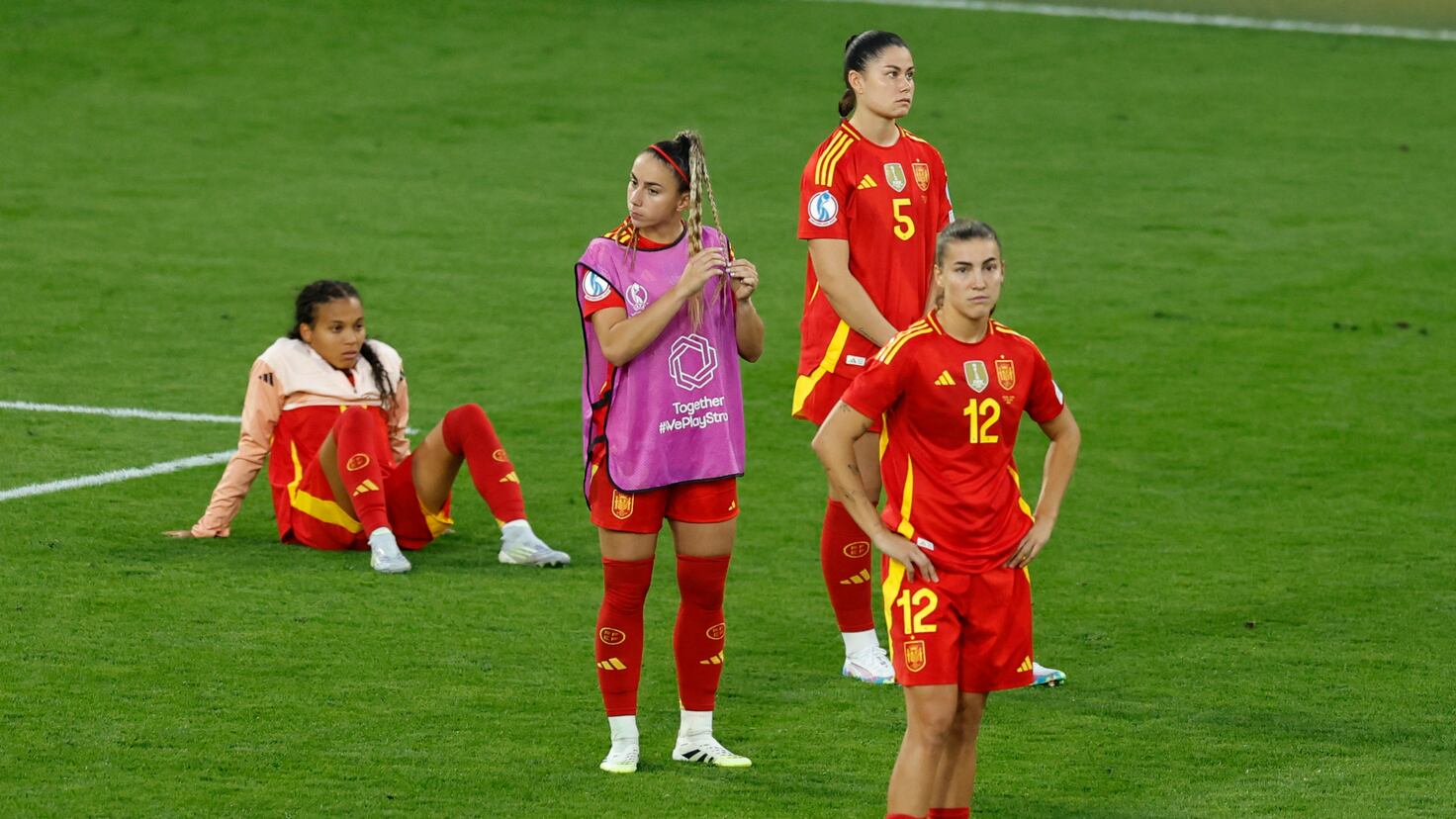
The Spanish women's national football team concluded their UEFA Women's Euro 2025 campaign with a silver medal, falling to England in a dramatic penalty shootout, yet midfielder Aitana Bonmatí was deservedly recognized as the tournament's Most Valuable Player.
Despite a dominant performance in the final held at Wembley Stadium, where La Roja created numerous clear-cut opportunities, Spain could not convert their chances into goals within regular or extra time. The match, a tactical chess game that saw both teams pushing for supremacy, ultimately hinged on the unpredictable lottery of a penalty shootout, a moment of acute disappointment for a squad that demonstrated superior ball retention and attacking intent throughout the contest.
This Euro 2025 final appearance marks another significant milestone in the rapid ascent of Spanish women's football. Following their quarter-final exit in the 2022 tournament, the Royal Spanish Football Federation (RFEF), in collaboration with player representatives, initiated crucial reforms, enhancing training facilities, professional contracts, and medical support. These structural improvements undeniably laid the groundwork for their historic 2023 World Cup victory and their subsequent participation in the 2024 Olympic Games. The team's journey reflects a broader shift within Spanish sports, mirroring the professionalization seen in Liga F, which has attracted substantial investment and fostered a competitive environment.
Central to Spain's formidable presence was the omnipresent Aitana Bonmatí. Her selection as the Euro 2025 MVP, a decision that resonated across the football world, underscored her pivotal role in Spain’s deep run. Bonmatí's masterful control of the midfield, incisive passing, and crucial goals, including a stunning strike against a formidable German side in the semi-final that secured Spain's inaugural continental final berth, solidified her status as one of the sport's generational talents. Receiving the award amidst tears, her focus remained firmly on the collective effort, a testament to her profound understanding that individual accolades, however prestigious, feel secondary when team glory eludes.
The Euro 2025 final, watched by record-breaking audiences across Europe and beyond, further cemented women's football as a global sporting powerhouse. Esteemed football analysts, such as former England international Karen Carney, have consistently pointed to Spain as a benchmark for technical prowess and tactical innovation. "Spain's commitment to developing fluid, possession-based football at all levels has been exemplary," Carney observed recently, highlighting their influence on the modern game. This strategic investment is now yielding consistent results on the international stage, challenging traditional powerhouses and inspiring a new wave of female athletes. The recent growth of women's football academies, reporting a 30% increase in youth participation over the last five years in Spain, is a direct consequence of the national team's achievements.
While the silver medal at Euro 2025 may sting in the immediate aftermath, the Spanish women's team has unequivocally transcended the confines of mere athletic competition. Their resilience, talent, and unwavering spirit have redefined the narrative of Spanish football, forging an enduring legacy that will continue to inspire countless young girls to dream of donning the national jersey. The collective achievements, including Esther González's impressive Golden Boot, underscore a deep talent pool poised for future triumphs. This generation has not merely played football; they have etched a new chapter in sporting history, promising even greater spectacles in the years to come.