

Delhi University's Second CUET Allotment Signals New Era for National Undergraduate Admissions
A critical step in the nation's higher education evolution, the digital CSAS portal facilitates transparent seat allocation for thousands, setting a new standard for university admissions in India's competitive academic landscape.
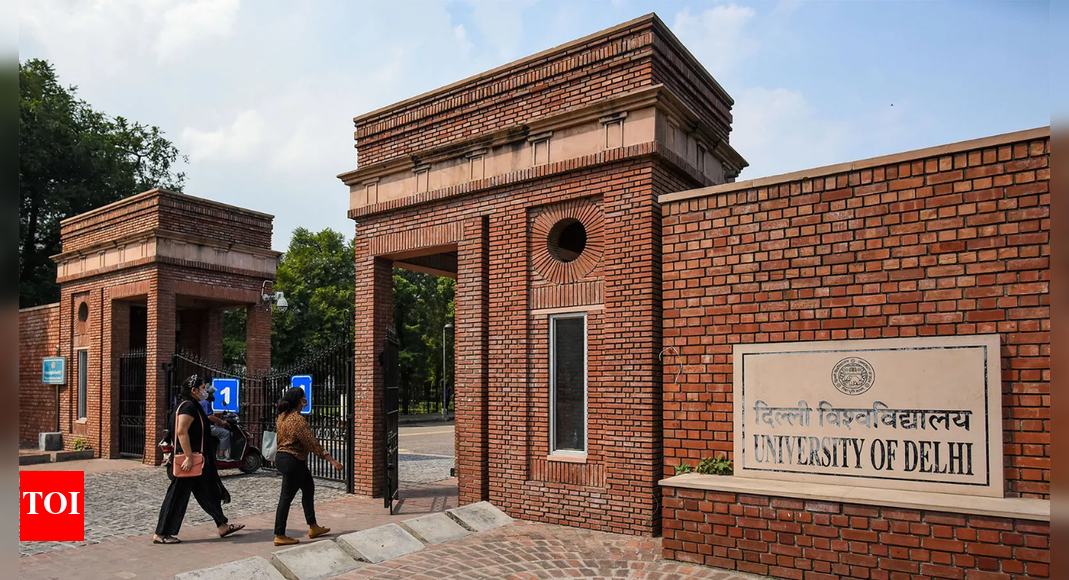
Delhi University has officially released its second Common Seat Allocation System (CSAS) undergraduate allotment list for the academic year 2025, a critical juncture for thousands of aspiring students nationwide who participated in the Common University Entrance Test (CUET).
This announcement marks a pivotal phase in India’s higher education landscape, particularly concerning the nation’s most sought-after public university. Historically, admissions to Delhi University were governed by notoriously high, sometimes even 100%, merit-based cutoffs derived directly from Class 12 board examination scores. The introduction of CUET in 2022, mandated by the University Grants Commission (UGC) for central universities, signified a radical shift towards a standardized national entrance examination, aiming to level the playing field across diverse state boards and reduce the immense pressure on school-leaving examinations. The CSAS portal, a robust digital infrastructure, is the operational backbone for this new paradigm, allowing candidates to log in using their CUET application number and password to access their detailed college and course allocations, a stark contrast to the manual, often chaotic, counseling processes of yesteryear.
The ongoing second round of admissions, with candidates having revised their preferences between July 24 and July 25, underscores the system's dynamic nature, allowing for improved seat allocation based on initial acceptances and withdrawals. Experts laud the CSAS as a significant technological advancement in public education administration. "The digital transition through CSAS has brought unprecedented transparency and efficiency to a system that once struggled with logistical complexities," observes Dr. Anjali Sharma, a leading education policy analyst based in New Delhi. "It mitigates geographical barriers and standardizes the application process for nearly a million aspirants who sit for CUET annually, promoting equitable access to premier institutions like DU." This centralized digital framework is increasingly becoming a blueprint for other large-scale public university admissions across the country, signifying a broader governmental commitment to digital governance in education.
For students who have received an upgraded seat in CSAS UG Round 2, or a new allocation, the immediate priority is to accept their allotted college and course by July 30, followed by the crucial step of online fee payment by August 1. Non-compliance within these strict deadlines will result in forfeiture of the seat. The digital portal also provides a comprehensive view of vacant seats, information vital for the upcoming Round 3, which is anticipated to be announced shortly. The iterative nature of these allocation rounds reflects a nuanced approach to filling thousands of undergraduate seats across DU's diverse colleges, from the historic St. Stephen's and Hindu Colleges to the newer, rapidly expanding campuses, ensuring optimal utilization of educational resources in a country with a massive youth demographic.
As Delhi University navigates this sophisticated digital admissions framework, its success will undoubtedly set a precedent for future policy decisions in higher education, emphasizing accessibility, transparency, and a more streamlined path for India's burgeoning student population to pursue their academic aspirations.