
Telangana's Ambitious Sports Policy to Counter Olympic Disappointment, Ignite Youth Potential
Telangana's new sports policy, a direct response to India's Olympic performance, targets 1.5 lakh students across 238 schools in partnership with Anil Kumble, focusing on five Olympic sports with integrated academics, infrastructure development, and a dedicated fund overseen by a 14-member board.
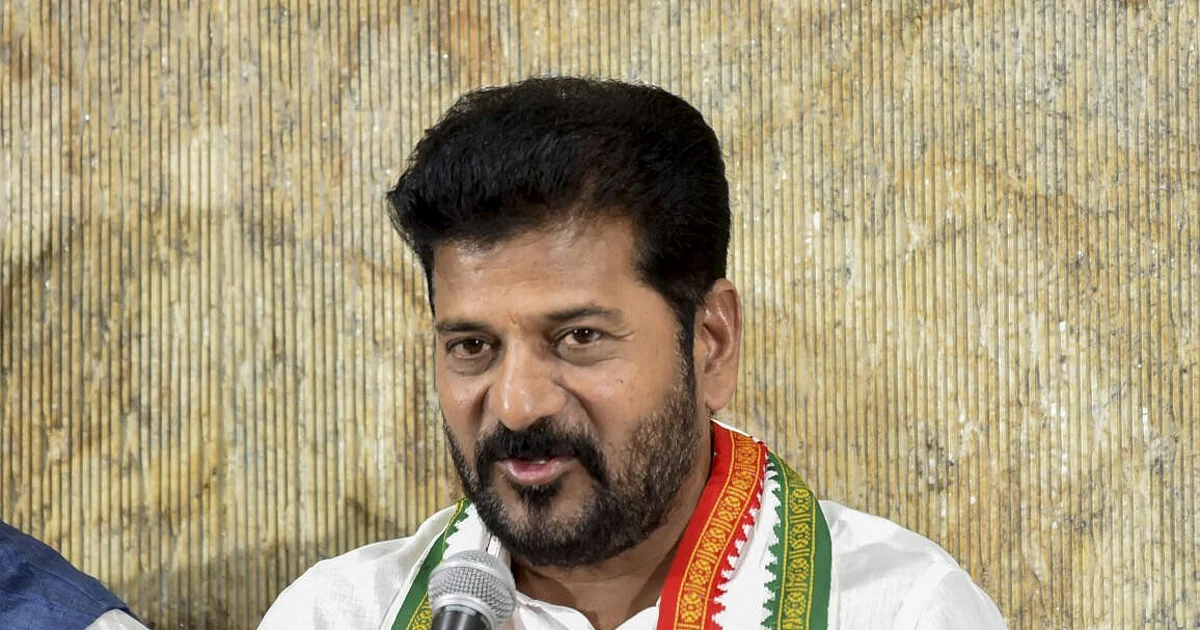
Telangana Chief Minister A. Revanth Reddy has launched a sweeping new sports policy, aiming to transform the state into a national beacon for athletic excellence. The Chief Minister noted India's 71st-place finish at the recent Paris Olympics and stated, "We finished in 71st position in the Paris Olympics. We have declared that we are ready to host the Olympics but what if we do not win a single gold medal there? This policy is not just a piece of paper but a valuable document to guide us in our endeavour to win medals at the Olympics."
The policy represents a direct response to the perceived stagnation in India's Olympic medal tally, seeking to address fundamental shortcomings in talent identification and development. By openly acknowledging the nation's underperformance, Telangana positions itself as a proactive force, committing significant resources and strategic partnerships to cultivate future Olympians from the ground up.
A cornerstone of this ambitious initiative is the collaboration with former Indian cricket captain Anil Kumble, whose foundation, TENVIC, will spearhead a comprehensive talent scouting program. This partnership targets 1.5 lakh students across 238 social welfare schools, focusing on five key Olympic disciplines: wrestling, kabaddi, volleyball, athletics, and weightlifting. The two-phase implementation, commencing immediately, underscores the urgency of this grassroots revolution.
Beyond mere identification, the policy is designed to create a holistic ecosystem for young athletes. It emphasizes upskilling coaches, providing a structured platform for development, and crucially, ensuring a balanced integration of academics with rigorous sports training and sports science principles. This dual focus aims to produce well-rounded individuals, safeguarding educational futures while nurturing athletic careers.
The Telangana Sports Policy also outlines a robust framework for governance and infrastructure expansion, crucial elements for sustained success. The proposed formation of a 14-member Board of Governors to oversee the Telangana Sports Development Fund (TSDF) signifies a commitment to transparent financial management and strategic investment. This board includes notable figures like Kapil Dev, Abhinav Bindra, Pullela Gopichand, Baichung Bhutia, and Sanjiv Goenka, among others, drawing parallels with successful sports development models seen in nations like Australia or Nordic countries known for their systematic athlete pathways.
The policy's unveiling, graced by Indian sporting legends Kapil Dev, Abhinav Bindra, and Pullela Gopichand, lends considerable gravitas and expert endorsement to its vision. Their presence highlights a shared understanding that India's Olympic future hinges on systemic reform, moving beyond ad-hoc support to a professionally managed, long-term strategy that provides clear career pathways and fosters a culture of sporting excellence.
Telangana's bold declaration to become a "game-changer" in Indian sports signals a potentially pivotal shift in the nation's approach to global athletic competition. If successful, this comprehensive, grassroots-focused policy could serve as a blueprint for other states, collectively elevating India's standing on the international sporting stage and fulfilling the national dream of Olympic glory beyond individual flashes of brilliance.