
Indian Grandmaster Erigaisi Advances in Riyadh's Inaugural Esports World Cup Chess Event
The tournament in Riyadh, Saudi Arabia, features a $1.5 million prize pool and marks a pivotal moment for traditional strategic depth converging with high-stakes digital competition.
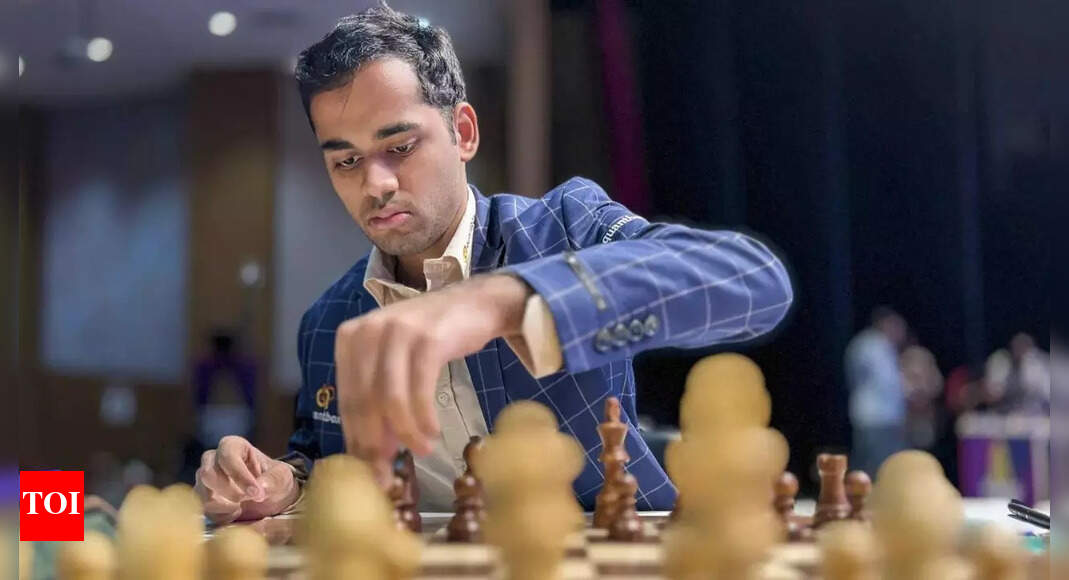
Indian Grandmaster Arjun Erigaisi has secured a coveted spot in the quarterfinals of the groundbreaking Esports World Cup chess competition in Riyadh, Saudi Arabia, marking a significant milestone for intellectual sport in the digital age.
Erigaisi’s dominant performance saw him emerge as the victor of Group B, demonstrating exceptional strategic acumen against a field of elite competitors. His advancement underscores the growing prowess of Indian chess talent on the global stage, further solidifying the nation's rising influence in both classical and digital chess disciplines. The tournament, boasting an impressive $1.5 million prize pool, highlights the escalating financial incentives available to top players as chess increasingly intersects with the booming esports industry.
The Esports World Cup marks a pivotal moment in the evolution of chess, serving as the first time the ancient game has been integrated into a multi-title esports championship of this magnitude. This move reflects a broader trend of traditional sports embracing digital platforms, a transition significantly accelerated during the global lockdowns of 2020 when online chess viewership and participation soared. Platforms like Chess.com and Twitch became battlegrounds for grandmasters, attracting millions of new fans and fundamentally altering the game's accessibility and commercial viability. Riyadh, strategically positioning itself as a global hub for technological innovation and digital entertainment under Saudi Vision 2030, provides an ideal backdrop for this fusion of heritage and modernity.
Joining Erigaisi in the fiercely contested quarterfinals are other titans of the chessboard, including the formidable World Champion Magnus Carlsen, the dynamic Alireza Firouzja, and the seasoned campaigner Levon Aronian. This constellation of talent ensures a high-stakes competitive environment where mental fortitude and rapid decision-making are paramount. Dr. Anya Sharma, a leading expert in cognitive sports psychology, emphasizes the unique pressures of this format: "Competitive online chess in a live esports setting demands an extraordinary blend of deep strategic foresight and lightning-fast execution under immense pressure. Players must not only outthink their opponents but also manage the digital clock and the psychological intensity of a large, live audience, which is a different beast from a traditional over-the-board match."
The tournament's innovative group stage format, followed by a double-elimination bracket, adds layers of strategic depth for participants, ensuring that even players who stumble early have a path to redemption through the Losers Bracket. This structure mirrors established esports models, designed to maximize competitive drama and viewer engagement. For the global chess community, this event represents a significant step towards wider mainstream recognition, potentially attracting a new generation of players and fans accustomed to the fast-paced, high-production values of esports. The substantial prize money, including a $50,000 payout for the bottom four players among the 16 elite participants, sets a new benchmark for competitive chess earnings, further professionalizing the sport.
As the quarterfinals commence on Wednesday, July 30, the Esports World Cup is poised to redefine the future trajectory of chess, solidifying its place within the rapidly expanding digital sports landscape and opening new avenues for talent development, fan engagement, and commercial growth globally.