

Israeli Defense Minister Warns Ali Khamenei: Direct Action Looms Amid Heightened Tensions
This unprecedented warning directly targets the Iranian Supreme Leader, coming shortly after a 12-day conflict that has markedly escalated regional tensions and reshaped strategic deterrence calculations.
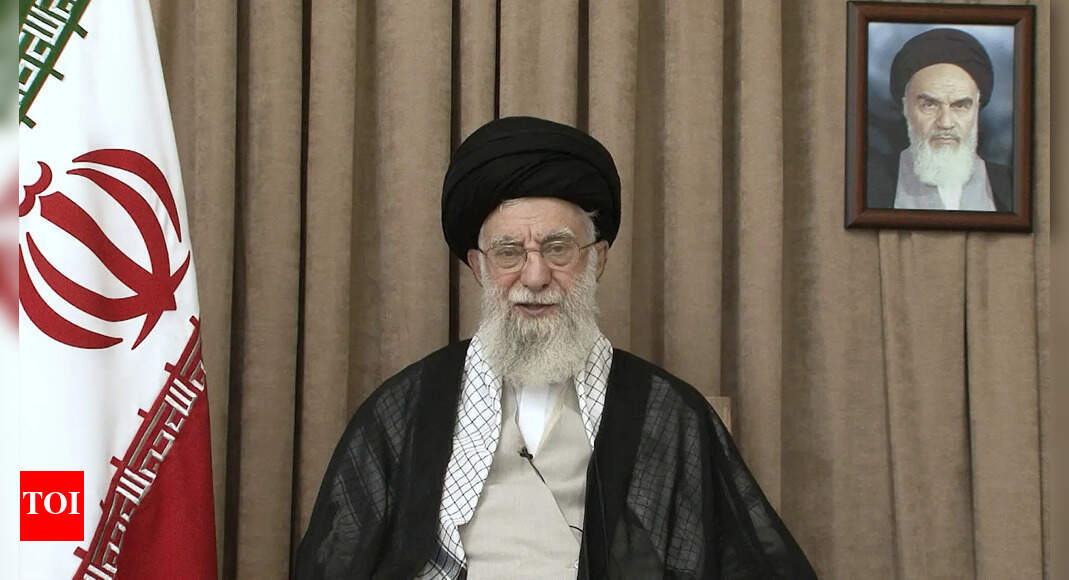
Israeli Defence Minister Israel Katz has issued an unprecedented and stark warning to Iranian Supreme Leader Ayatollah Ali Khamenei, asserting that Israel will respond with "even greater force" if threats against the Jewish state persist, explicitly stating that Khamenei himself will be personally harmed.
This direct and highly personalized warning follows a recent, intense 12-day armed conflict between the two nations, which saw extensive targeting of military and strategic infrastructure by both sides. The gravity of this message underscores a significant escalation in diplomatic and military discourse, moving beyond traditional state-to-state warnings to directly address a national leader, a move seldom seen in modern international relations.
The historical antagonism between Israel and Iran dates back decades, intensifying significantly after the 1979 Iranian Revolution, when the Islamic Republic adopted an explicit anti-Israel foreign policy. This deep-seated rivalry has since manifested through a complex web of proxy conflicts across the broader Middle East, sophisticated cyber warfare campaigns, and a persistent shadow war involving covert operations and alleged sabotage aimed at disrupting Iran's nuclear program. The latest direct threat from Jerusalem injects unprecedented volatility into a region already grappling with multifaceted geopolitical dynamics, with potential ramifications for global energy markets and international security frameworks due to the strategic importance of the Persian Gulf and its vital shipping lanes.
Security analysts, including experts from institutions like the Atlantic Council's Middle East Programs, view Minister Katz's declaration as a profound escalation in the psychological warfare between Jerusalem and Tehran. Dr. Amir Shahidi, a leading scholar specializing in Middle Eastern security dynamics, suggests this is a clear attempt at direct deterrence, designed to compel a fundamental recalculation of Iranian strategic behavior. However, such explicit threats also carry inherent risks of dangerous miscalculation, potentially accelerating an already tense arms race and pushing the adversaries closer to a direct, full-scale confrontation that could destabilize the entire Levant and wider Gulf region, triggering broader humanitarian crises and disrupting global trade routes.
Intelligence reports have long indicated that senior Iranian figures are under heightened surveillance, a reality amplified by Minister Katz's assertion that Khamenei had previously been "marked" for assassination but managed to evade targeting by utilizing extensive underground facilities. This incident comes on the heels of previous retaliatory actions, including alleged Israeli cyber operations against Iranian nuclear facilities and targeted strikes attributed to Israel on Iranian Revolutionary Guard Corps assets in Syria, particularly during the recent 12-day conflict. The ongoing tension also intersects with broader regional issues, including the humanitarian crisis in Gaza, which some Iranian officials have cited as a point of contention against Israel's actions.
The coming weeks will undoubtedly test the resolve of both nations, with international observers closely monitoring for any signs of de-escalation or, conversely, a dangerous trajectory towards an open conflict that could irrevocably redraw the geopolitical map of the Middle East and reshape global strategic alliances.